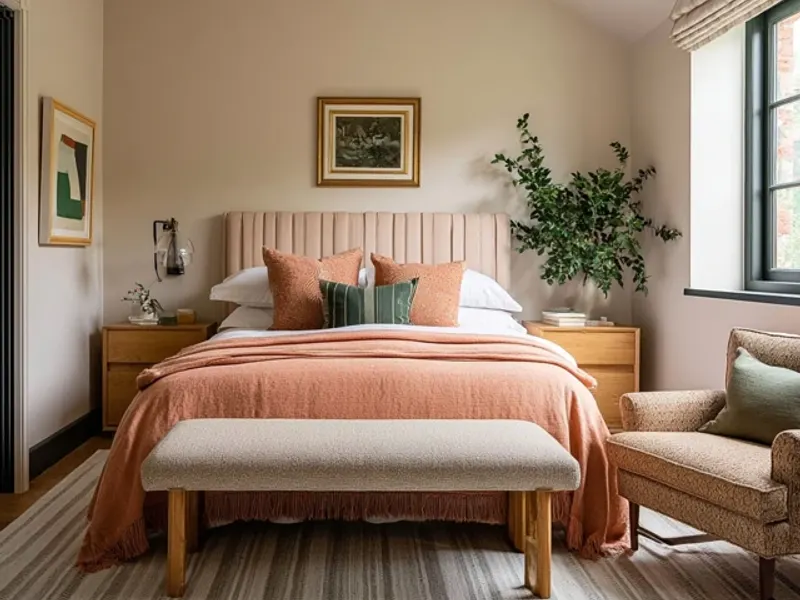
5 Bedroom Inspiration Ideas That Actually Work for Tent Camping
The first time I tried to make my tent feel like a bedroom, I brought a pillowcase that smelled like lavender and a battery-powered candle. It looked nice for about ten minutes. Then the pillow slid off the sleeping pad, the candle tipped over, and I spent the night curled up against a cold tent wall. That was the start of my search for real comfort, not just a pretty photo.

I tested twelve different bedroom inspiration ideas over several trips. Some were all show and no sleep. But five of them genuinely improved how I rest, how I pack, and how I feel after a night under nylon. Here are the ones that actually worked.
1. The Ground Tarp and Pad Sandwich
Most people lay a tarp under the tent and call it done. That leaves a cold, uneven floor inside. I now put a second, smaller tarp inside the tent, directly under my sleeping pad. It stops ground moisture from seeping through the tent floor and adds a layer of insulation. I use a 4x6 foot poly tarp, folded to fit my pad. This trick works especially well on damp grass or after rain. The common mistake is using a tarp that extends beyond the tent footprint, which collects water and channels it under the tent. Keep the tarp tucked tight.
2. Fitted Sheets on Sleeping Pads
This one sounds obvious, but I resisted it for years. I thought a sleeping bag was enough. It isn't. A fitted sheet stretched over a sleeping pad stays put all night. No sliding, no bunching. I use a twin-size sheet on a single pad, and a full-size sheet on a double pad. The elastic corners grip the pad edges. It also makes the tent feel less like a sack and more like a bed. For cold nights, I layer a fleece blanket over the sheet and under the sleeping bag. That traps heat without adding bulk to my pack.
3. The Pillow Hack That Actually Stays
Standard camping pillows are either too small or they deflate by midnight. I tried a stuff-sack pillow, but it shifted. The trick is to use a rectangular pillowcase stuffed with your puffy jacket or extra fleece. But here's the method: fold the jacket into a flat rectangle, not a ball. Place it inside the pillowcase, then fold the open end of the case under the sleeping pad. The weight of your head and the pad edge hold it in place. For side sleepers, add a second folded jacket under the first. No more waking up with a crick in your neck.
4. Soft Lighting That Doesn't Blind You
Bright headlamps ruin the mood and wake up everyone. I use a single LED string light with a dimmer function, draped along the tent ridge pole. It gives a warm glow without glare. The key is to use USB-powered lights that run off a small power bank. They last all weekend. I clip the string to the tent's internal loops using mini carabiners, not tape. Tape leaves residue and can damage tent fabric. For reading, I use a red-light headlamp set on low. Red light preserves night vision and doesn't attract bugs.
5. The Gear-Free Sleep Zone
This is the one that changed everything. I used to toss my backpack, clothes, and food bag into the tent corner. That turned the space into a storage closet. Now I keep all gear outside, under a covered vestibule or in a dry bag. The tent floor is for sleeping only. I use a small mesh organizer hung from the tent peak for essentials: phone, glasses, water bottle, headlamp. This clears the floor and keeps the sleeping area dry and clean. It also reduces the chance of bringing ants or crumbs into the bed area. For families, assign each person a small bin for their items and keep them near the tent door.
Common Mistakes to Avoid
I made plenty. Using an air mattress without a foam topper in cold weather. Bringing too many pillows that took up half the tent. Using a lantern with a bright white light that kept everyone awake. The biggest mistake was ignoring ventilation. A sealed tent traps condensation from your breath, which soaks bedding. Always crack the top vent or unzip a small gap at the door, even on cold nights.
Adapting for Weather and Kids
Rain: Use the inside tarp trick and keep all fabric off the tent walls. Wind: Pitch the tent with the narrow end facing the wind and stake the corners at 45-degree angles. Heat: Remove the rain fly and use a mesh inner tent. Kids: Let them arrange their own pillow setup and give them a small light they can control. It makes them feel in charge and less scared of the dark.
Takeaway
You don't need a van or a cot to sleep well in a tent. You need a system that keeps you dry, warm, and organized. These five ideas are simple, cheap, and tested. Start with the fitted sheet and the gear-free zone. The rest will follow.
Frequently Asked Questions
What is the best way to create a bedroom feel in a tent?
Start with a level, clean ground. Lay a ground tarp, then use a thick sleeping pad or inflatable mattress. Add fitted sheets, a warm quilt or sleeping bag, and pillows. Use soft lighting like LED string lights or a dimmable lantern. Keep gear organized in bins to reduce clutter.
How do I keep my tent bedroom warm at night?
Layer your bedding: a sleeping pad with an R-value of 4 or higher, a sleeping bag rated for the temperature, and a top quilt or blanket. Use a hot water bottle in a sock before bed. Vent the tent slightly to reduce condensation. Never use camp stoves or heaters inside the tent due to carbon monoxide risk.
Can I use a regular mattress in a tent?
Yes, but only if it fits your tent's floor size and you have a way to inflate it. An air mattress works well with a fitted sheet. However, it can be cold in cool weather, so add a foam pad or insulated blanket underneath. For backpacking, a self-inflating pad is lighter and more compact.