
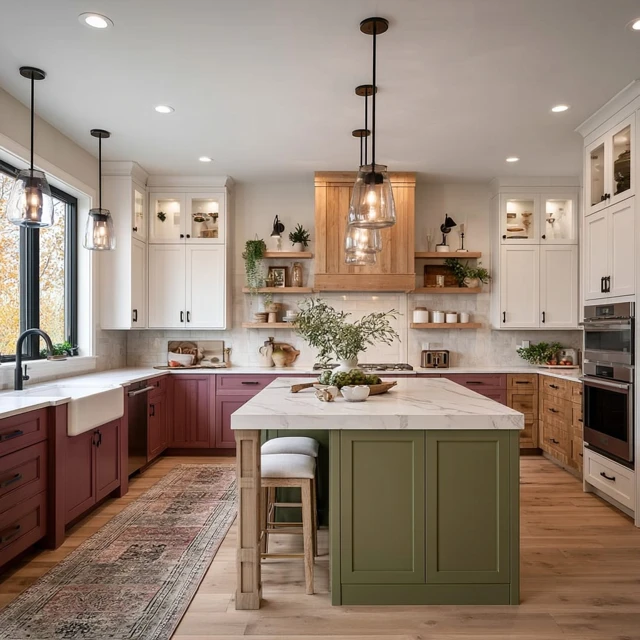
The first time I saw a photo of a two tone kitchen cabinet setup in a tent camping kitchen, I rolled my eyes. Two colors? Inside a tent? It felt like overcomplicating something that should be straightforward. I was convinced that simplicity ruled—one color, one system, done. But after a season of testing, I stand corrected. Let me tell you why two tone kitchen cabinets, in the context of a campsite kitchen, changed the way I organize my gear.

The Problem With One-Note Storage
For years, I used matching bins. All gray, all the same size. It looked clean in the garage, but at the campsite, it was a headache. Every time I needed a spatula, I had to open three bins. In the rain, that meant fumbling with wet lids. In the dark, I’d grab the wrong bin entirely. The sound of frustrated rustling through plastic was the soundtrack to my dinner prep.
A two tone approach solves this. By using one color for food items and another for cooking gear, you create instant visual zones. No labels needed in dim lantern light. Your brain learns that white bins hold snacks, while blue bins hold pots. It sounds small, but after a long hike, that split-second recognition is gold.
How I Switched to Two Tone
I started with two sets of stackable bins from a big-box store. I chose a light cream for dry goods and a deep slate for cookware. The key is contrast—not just for looks, but for function. In low light, pale colors reflect what little light there is, while dark colors recede. So cream bins on the top shelf catch the glow of my headlamp, and slate bins on the bottom stay grounded.
I label only the cream bins with a permanent marker on painter’s tape: rice, pasta, trail mix. The slate bins get no labels—I know they hold the stove, fuel canisters, and pots. This cuts decision fatigue when setting up camp after a long day.
Weather and Wind Considerations
Here’s where technique matters. Two tone bins are useless if they blow away. I always stake down my camp table or use a bungee cord net over the bin stack. For windy sites, I place heavier slate bins on the bottom row and lighter cream bins on top. The weight anchors the stack. I also avoid using bins with latches that pop open in gusty conditions—test your latches at home first.
Rain is another factor. I line the cream bins with a silicone baking mat inside to keep moisture from seeping through the plastic. The slate bins are naturally less prone to showing dirt, but I still keep a dry sack nearby for anything that must stay bone-dry, like matches or phone chargers.
Family Camping and Kids
If you camp with kids, two tone kitchen cabinets become a lifesaver. Assign each child a color zone. My system: cream bins are for snacks and plates, slate bins are for adult gear. Kids learn quickly that they can open cream bins without asking, but slate bins are off-limits. It sets clear boundaries without constant reminders.
One trick I use is to designate a small cream bin as the “snack station” and place it at the front of the table. Kids can grab their own granola bars without rummaging through everything. In the morning, the slate bin with the camp stove stays closed until an adult is ready to cook. This reduces mess and keeps little fingers safe from hot surfaces.
Safety and Pest Prevention
Two tone bins also help with wildlife-safe food storage. I use opaque cream bins for food—never clear—because bears and raccoons are less tempted by what they can’t see. The slate bins hold cooking gear that may smell like food, so I wash them thoroughly after each trip. At night, I move all food bins into a bear canister or a vehicle, never leaving them inside the tent. The two tone system makes it easy to identify which bins need to be moved: cream bins go, slate bins stay (if they’re clean).
Carbon monoxide is a real risk near tents. Never use a camp stove inside your tent, even if you’re using a two tone kitchen setup. Cook outside, at least ten feet from the tent entrance, and store fuel canisters in a designated slate bin that lives outside at night.
The Aesthetic Bonus
I won’t pretend that aesthetics don’t matter. A two tone kitchen cabinet setup looks intentional. It lifts the mood of a campsite from utilitarian to welcoming. When I open my tent flap and see cream and slate bins arranged neatly under a string of battery-operated fairy lights, I feel a sense of order. That calm carries into the rest of my trip.
The trick is choosing colors that complement your tent’s interior. For a green tent, cream and sage bins work. For a tan tent, white and navy. Avoid high-contrast colors like red and yellow—they feel chaotic in a small space. Stick to one neutral and one muted accent.
Takeaway
I was wrong about two tone kitchen cabinets. They aren’t just a design fad. They are a practical tool for campsite organization that saves time, reduces stress, and keeps your gear safe. If you’ve been skeptical, start small: swap one bin for a contrasting color and see how it changes your setup. You might find yourself cooking dinner with a smile instead of a sigh.
Frequently Asked Questions
What does two tone kitchen cabinet mean in tent camping?
In tent camping, two tone kitchen cabinet refers to using two different colors or finishes for storage bins, shelves, or containers in your campsite kitchen setup. It helps visually separate food items from gear or designate zones for different tasks like prep and cooking.
How do I set up a two tone kitchen cabinet in my tent?
Start with two sets of stackable storage bins in contrasting colors. Place lighter colored bins on top for dry goods and utensils, darker bins below for heavier items like pots and pans. Use labels and clear containers for visibility. Secure bins with bungee cords if wind is a concern.
Is a two tone kitchen cabinet practical for family camping?
Yes, it can be very practical. The color contrast helps kids quickly find snacks or plates without rummaging. Assign each family member a color zone to keep things organized. Just ensure bins are durable and waterproof for outdoor use.
Can I use two tone kitchen cabinet ideas in a small tent?
Absolutely. Use collapsible fabric bins in two tones that fit under a camp table or along a tent wall. Stack them vertically to save floor space. Choose neutral tones for a cohesive look without overwhelming a small area.
What are common mistakes when trying two tone kitchen cabinet in a campsite?
A common mistake is choosing bins that don’t seal well, attracting pests. Another is ignoring weight distribution—lighter bins on top, heavier on bottom. Also, avoid clashing colors that create visual chaos; stick to complementary tones like white and sage or navy and cream.