
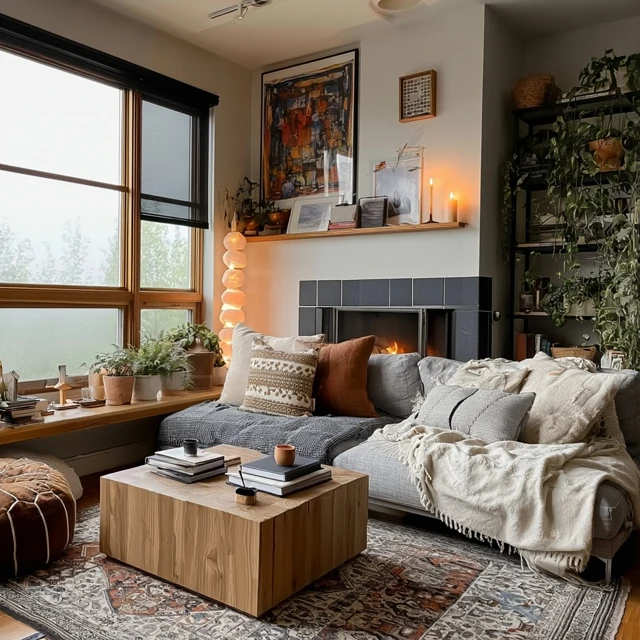
The first time I set up my tent after a long day of hiking, I realized something: a tent can feel just as cozy as a dorm room. The same principles apply—soft lighting, defined zones, and smart storage. I’ve spent many nights refining this approach, and here’s what works.

Start with the Floor: A Rug Changes Everything
Bare tent floors are cold and noisy. I bring a thin, indoor-outdoor rug cut to fit my tent’s footprint. For a 4-person tent (roughly 8×8 feet), I use a 6×9 rug. It stops sleeping pads from sliding, muffles footsteps, and adds warmth. I roll it out first, then set up sleeping pads on top. The trick: choose a pattern that hides dirt, like a muted geometric print. Shake it out each morning before packing.
Lighting: Ditch the Headlamp
Headlamps are practical, but they ruin the mood. I string battery-operated LED fairy lights along the tent’s ridge pole. Use small adhesive hooks to hold the wire—no damage to the tent. I also bring a dimmable, rechargeable lantern that I place on a small, collapsible table near the door. For reading, I clip a book light to the tent wall above my pillow. Always check that batteries are fresh before you leave.
Storage Zones: Think Like a Dorm Room
I divide my tent into three zones: sleep, dress, and gear. For the sleep zone, I use a mesh hanging organizer on the tent wall near my head—holds glasses, phone, and a water bottle. I use a small, clear plastic bin for toiletries (toothbrush, wipes, dry shampoo) and keep it under my sleeping pad. For clothes, I pack a collapsible fabric cube—one for clean, one for dirty. I hang a lightweight, over-the-door shoe organizer (the kind with clear pockets) on a loop of paracord tied to a tent pole for small items like sunscreen, bug spray, and headlamps.
Gear Zone: Keep It Dry
Wet gear stays near the door. I place a plastic tote bin (the 18-gallon size) just inside the entrance for muddy boots and rain jackets. I also stake a small tarp outside the door to create a dry drop zone. Inside, I use a collapsible clothesline strung between two tent poles to air out damp towels. Never store food in the tent—use a bear canister or hang it properly away from camp.
Comfort Details: Pillows and Blankets
A good pillow makes all the difference. I use a compressible camping pillow (about 12×16 inches) and a soft fleece blanket as a top layer over my sleeping bag. For extra coziness, I bring a packable down throw—it weighs almost nothing but adds serious warmth. I also stuff a small, plush throw pillow inside a dry bag for a touch of home. Just make sure everything is packed in compression sacks to save space.
Safety First: Heaters and Stoves
Never use a camp stove or propane heater inside a tent. Carbon monoxide is invisible and deadly. If it’s cold, layer your sleeping pads (closed-cell foam under an inflatable pad) and use a hot water bottle in a sealed Nalgene bottle at your feet. Always ventilate the tent slightly by cracking the door or using the vent window—even a small gap reduces condensation and keeps air fresh.
Adapting for Weather and Kids
On windy nights, I stake down the rug corners with extra tent stakes to keep it from bunching. For rain, I position gear bins under the tent’s highest point to catch any unexpected drips. Camping with kids? Let them choose a small stuffed animal or a favorite pillow—it gives them a sense of ownership. I also use color-coded bins for each child’s clothes (blue for one, green for the other) so mornings are less chaotic.
Common Mistakes to Avoid
Don’t overpack. A cluttered tent feels small and stressful. Stick to one bin per person for clothes and one for gear. Avoid glass containers—they break easily. And never use candles or open flames inside the tent. Even LED candles can overheat if left on too long. Always check local fire regulations before using any flame outside.
Your Takeaway
A cozy tent is about intention, not luxury. Start with a rug, add soft lighting, and create zones for sleep and storage. Keep it simple, keep it safe, and you’ll have a space that feels like a home away from home—without the dorm room roommate.
Frequently Asked Questions
What are the best string lights for a cozy tent?
I always choose battery-operated LED string lights with a warm white glow (around 2700K) to avoid heat and fire risk. Look for ones with a USB power bank option so you can recharge during the day. Avoid plug-in lights unless you have a safe generator setup outside the tent.
How do I keep my tent organized like a dorm room?
Use collapsible fabric bins for clothes and gear, a hanging organizer with clear pockets for toiletries and small items, and a small shoe mat just inside the door to keep dirt out. I stake a lightweight shelf near the head of my sleeping pad for a lamp and book.
Can I use a rug in my tent?
Yes, but choose an indoor-outdoor rug that’s easy to shake out. I cut a cheap doormat to fit the floor plan of my tent. It keeps sleeping pads from sliding, adds warmth, and makes the space feel like a real room. Just be sure to air it out before packing.