
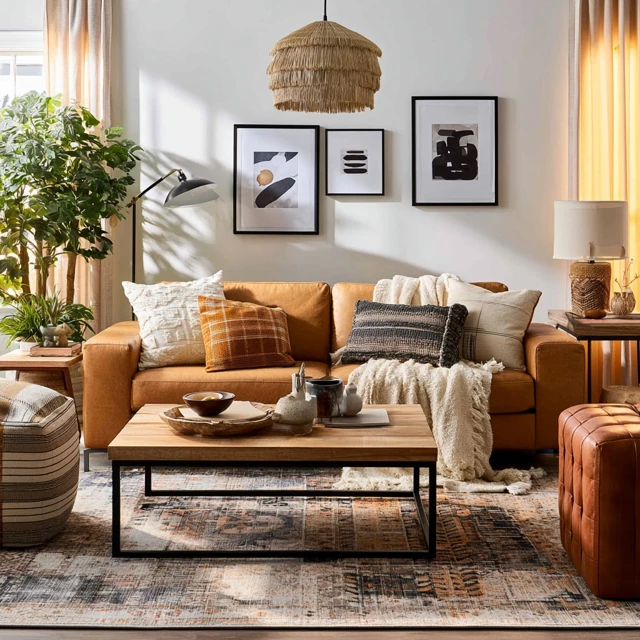
I love the moment when the tent is finally up, the sleeping bags are rolled out, and the last stake is hammered in. But what really transforms a tent from a shelter into a space I want to spend time in is the living room feel—a place to sit, read, play cards, or just watch the rain streak down the fly. And I have found that with just $50 and a few intentional choices, I can create a tent living room that looks and feels like it cost ten times more. The secret is not about buying expensive gear. It is about choosing the right textures, lighting, and arrangement.

The Foundation: A Soft Floor That Defines the Room
Nothing kills the living room vibe faster than bare tent floor. A cheap, thin tarp underfoot feels cold and industrial. Instead, I spend about $15 on a lightweight indoor/outdoor rug from a discount store. Look for one that is roughly 4×6 feet—big enough to create a distinct area, small enough to pack easily. The trick is to choose a rug with a low pile and a pattern that hides dirt. A dark geometric print works wonders. Lay it down centered in the tent, leaving a walking path along the edges. This single piece instantly anchors the space, defining where the living room begins and ends. On rainy mornings, it also gives a dry spot to stand while pulling on boots.
Lighting: The Glow That Elevates Everything
Lighting is where the $5,000 illusion really comes alive. I use two layers. First, a string of 20 warm white LED fairy lights (battery-operated, about $10). I drape them along the tent ridge pole, using small adhesive hooks to keep them off the walls. The key is to let them hang in gentle loops, not tight straight lines. This creates a soft, ambient glow that mimics expensive chandelier light. Second, a single dimmable LED lantern (about $15) placed on a low table. I set the lantern to its lowest warm setting—just enough to read by. Avoid any light that is blue or harsh. The combination of overhead twinkle and low table light makes the tent feel like a boutique hotel room. A common mistake is to use only a bright headlamp or a single overhead lantern. That creates a flat, utilitarian feel. The two-layer approach adds depth and warmth.
Seating: The Living Room Anchor
A living room needs a place to sit that is not the sleeping bag. I use two low camp chairs (about $20 total if you find them on sale) that fold flat and weigh under three pounds each. Place them facing each other at a slight angle, with the low table between them. This arrangement invites conversation and feels intentional. If you have kids, add a small foam pad on the floor between the chairs—it becomes a play zone or a spot for a toddler to sit. For extra comfort, I drape a single fleece throw blanket (about $10) over the back of one chair. It adds a pop of color and texture. The chairs should be low enough that when you sit, your knees are at a comfortable angle, and the table height matches the chair arm height. Test this before you buy—nothing feels worse than a table that is too high or too low.
Textiles: The Cozy Factor
The right fabrics make a tent feel like a living room rather than a nylon box. I bring two throw pillows from home (old ones from the couch, free) and one extra blanket. The pillows go on the chairs, not on the sleeping area. This keeps the sleeping zone separate and restful. The blanket stays folded on the table, ready to wrap around shoulders when the evening chill sets in. Choose pillows with removable, washable covers—camping is dusty. The colors should be warm and earthy: rust, olive, cream. Avoid bright neon or cartoon prints. They break the illusion of a curated space. One trick I use: I spray the pillows lightly with a fabric refresher before packing them. That first whiff when I open the tent sets the mood.
The Table: A Focal Point for Gatherings
A small table is the heart of the tent living room. I use a 24-inch folding camp table (about $15 from a big-box store). It holds a lantern, a deck of cards, a mug of tea, and a small vase with a few wildflowers picked near the site. The flowers are optional, but they add a touch of elegance that costs nothing. On the table, I keep a small mesh bag for trash and a tiny hand sanitizer. This keeps the space functional without clutter. If I am camping with kids, I add a small board game on the table—it becomes the activity hub. The table should be sturdy enough not to wobble when you lean on it. I always test the legs before buying. A wobbly table ruins the whole setup.
Organization: The Invisible Luxury
A messy tent never looks expensive. I use two wall-mounted mesh pockets (about $5 each) near the entrance and above the table. One holds phones, glasses, and a book. The other holds snacks and a small flashlight. This keeps everything off the floor and within reach. I also use a small collapsible fabric bin (about $8) under the table for extra layers and shoes. The rule is: every item has a home. If something is not in use, it goes in its pocket or bin. At night, I spend two minutes tidying up—returning cards to the box, folding the blanket, putting the lantern on the table. This small habit makes the morning feel calm and the tent feel like a real room.
Safety Note: Keep It Safe
Never use candles, propane heaters, or any open flame inside a tent. Carbon monoxide is invisible and deadly. Use only battery-operated lights. Secure the rug so it does not bunch up and create a tripping hazard. If the weather is windy, remove any loose items from the table that could become projectiles. Always keep a clear path to the tent door. A beautiful living room is only worthwhile if it is safe.
The best part about this $50 living room is that it packs down small and sets up in ten minutes. The rug rolls up, the lights coil into a bag, the chairs fold flat. When I unroll it all at the next campsite, the transformation happens again. That moment—when the lights go on and the pillows are placed—feels like coming home. And that is the real luxury.
Frequently Asked Questions
How can I make my tent look like a living room for under $50?
Focus on three key areas: soft lighting (battery-operated string lights or a lantern), layered textiles (a fleece blanket and two throw pillows), and a defined seating area using a camp table and chairs. Spend $15 on lights, $20 on a blanket and pillows, and $15 on a small rug or mat. Arrange the items to create a focal point, like a lantern on the table flanked by chairs.
What type of lighting works best for a tent living room?
Battery-operated LED string lights with a warm white tone (2700K) give the softest glow. Avoid cool white or blue lights. Hang them along the tent ridge or around the walls using adhesive hooks. A single dimmable lantern on a low table adds a second light source. Never use open flames inside a tent.
Can I use real furniture in a tent for a living room feel?
Yes, but keep it lightweight and compact. A small folding camp table (about 24 inches wide) and two low-back camp chairs work well. Avoid heavy wooden furniture. For a soft surface, use a foam camping mat or a thin indoor/outdoor rug that rolls up easily. This setup mimics a living room without adding weight or bulk.
How do I keep the tent living room tidy?
Use mesh storage pockets on the tent walls for small items like books, phones, and snacks. A collapsible fabric bin under the table holds extra layers. Keep shoes at the entrance on a small mat. Spend 5 minutes each evening returning items to their spots—this prevents clutter from building up and keeps the space feeling like a real room.