
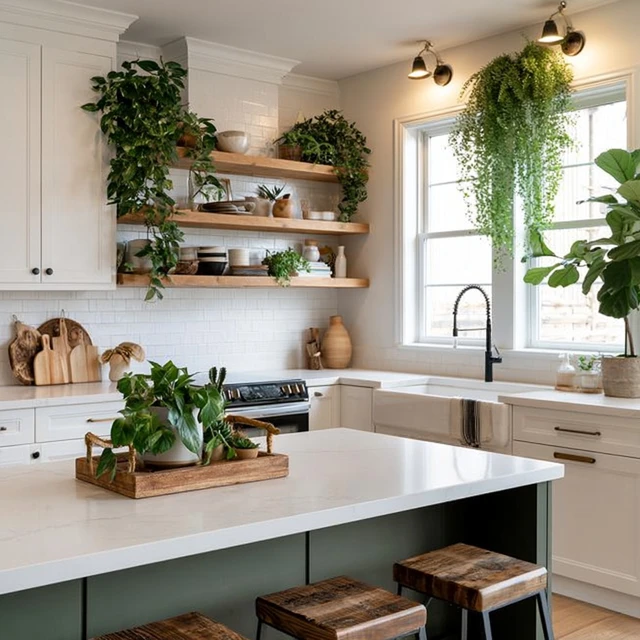
The smell of damp earth and fresh basil hits me every time I unzip the tent door. Not from a sachet or a candle—from a small pot of live basil sitting on my camp table. Most campers pack dried spices in little baggies or skip fresh flavors altogether. But there’s a trick nobody talks about: using live kitchen plants as both decor and organization in your tent camp kitchen. It’s not about making things pretty for Instagram. It’s about cutting clutter, keeping herbs fresh for days, and turning your cooking area into a calm, green spot that feels less like a chore zone.

Why Live Plants Work in a Tent Kitchen
Think about your camp kitchen table. It’s usually a folding rectangle covered with a stove, a cutting board, a water jug, and a pile of condiment packets. Everything slides around. The wind knocks over your salt shaker. You spend half your cooking time hunting for the garlic powder. Now picture a small pot of rosemary sitting in the corner. You snip a sprig to season your chicken. No plastic bag to dig through. No crushed leaves at the bottom of your bin. The plant stays put because its pot has weight. It anchors the table visually and physically.
Live plants also improve air quality inside the tent. Yes, even a tent. When you’re cooking with a camp stove, especially in cooler weather with the fly zipped tight, carbon dioxide builds up. Plants convert CO2 to oxygen. A couple of small pots won’t solve ventilation issues—you still need to crack the door—but they help the air feel fresher. And they absorb some of the moisture from cooking steam, which cuts down on condensation on your tent walls.
The One Trick Nobody Talks About: The Hanging Herb Wall
Here’s the specific method. Instead of setting pots on your table, clip a mesh produce bag to a tent pole or a guy line near your kitchen area. Use a carabiner on the bag’s handle. Slide three small nursery pots—the kind that are 3 to 4 inches wide—into the bag. The mesh holds them upright, lets air circulate, and keeps the soil from spilling. You’ve just created a vertical herb garden that takes up zero table space. It hangs at eye level, so you can snip leaves without bending over. When you pack up, the bag folds flat. The pots stack. It adds maybe half a pound to your load.
Choose herbs that handle partial shade and fluctuating temperatures: mint, basil, chives, and rosemary. Avoid delicate plants like cilantro or dill that bolt in heat. Mint is the workhorse. It grows fast, tolerates neglect, and smells amazing when you brush against it. Basil adds a sweet note to pasta and salads. Chives give you onion flavor without a bulb. Rosemary’s woody stems make great skewers for campfire kebabs.
How to Keep Them Alive for a Weekend (or a Week)
Water sparingly. Overwatering is the number one mistake. Tent humidity keeps soil damp longer than your kitchen counter. Stick your finger into the soil up to the first knuckle. If it feels dry, give each pot about two tablespoons of water. If it feels cool and moist, skip it. Place the hanging bag on the shady side of your tent or under a tree. Direct sun through a mesh tent window can scorch leaves in an hour. On cold nights (below 50°F), bring the bag inside the tent and set it near your sleeping bag for warmth. On hot afternoons, mist the leaves once with your water bottle to keep them from wilting.
Using Plants as Kitchen Organization Tools
Live plants replace clutter. Instead of a bag of loose onions that roll under the table, use a pot of chives. Need garlic? Use a small pot of garlic chives. For skewers, rosemary stems are stronger and more aromatic than wooden sticks. For tea, mint leaves steep fresh in a cup of hot water. Each plant serves a dual purpose: decor and ingredient. That means fewer items to pack, less plastic waste, and no crushed spice packets at the bottom of your bin.
Arrange your pots on a small wooden cutting board or a silicone trivet to catch drips. Group them by use: cooking herbs on one side, tea herbs on the other. If you’re camping with kids, let them have a pot of lemon balm or chocolate mint. The scent keeps them engaged, and they can help snip leaves for dinner. It turns meal prep into a small ritual instead of a rushed task.
Weather and Terrain Adaptations
In windy conditions, use wide-bottomed pots (at least 4 inches in diameter) or set them inside a heavier ceramic mug. On wet ground, elevate pots on a camp stool or a plastic crate to keep the drainage holes from sitting in mud. In bear country, herbs are not attractants like food scraps, but store them in a sealed cooler or bear canister overnight if you’re in high-pressure areas. In desert heat, set pots in a shallow tray of water to create a humidity microclimate. In rain, move the hanging bag under the tent vestibule or a tarp—too much water drowns the roots.
A Safety Note on Plants and Cooking
Only use culinary herbs you know are edible. Never forage wild plants near your campsite unless you’re an expert. Keep pots away from the stove flame—dry leaves catch fire easily. And remember: plants do not replace proper food storage. Scented herbs can mask the smell of food to predators, but they won’t stop a raccoon from unzipping your cooler. Store all food in sealed containers or a bear canister at night.
The Takeaway
The kitchen plant decor ideas trick nobody talks about is this: live herbs aren’t just decoration. They’re a functional tool for organization, air quality, and fresh flavor. A hanging mesh bag with three small pots transforms your camp kitchen from a cluttered folding table into a calm, green workspace. It’s lightweight, cheap, and leaves no waste. Next time you pack for a tent trip, grab a pot of mint instead of a bag of dried spices. Your camp kitchen will feel different. The air will smell cleaner. And you’ll wonder why you didn’t try it sooner.
Frequently Asked Questions
Can I really keep live plants in a tent kitchen without killing them?
Yes, if you choose hardy herbs like mint, basil, or rosemary. Keep them in a shaded spot during hot weather, water sparingly, and bring them inside at night if temperatures drop. They thrive in the same mild conditions you do.
How do live plants help with camp kitchen organization?
Live plants replace clutter. Instead of a bag of loose onions or a pile of spices, use a pot of chives for snipping, a basil plant for seasoning, and rosemary for skewers. They sit neatly on your table or hang from a pole, cutting down on packing and unpacking.
What if I’m camping in a no-fire zone or bear country?
Herbs are not attractants like food scraps. Still, store them in sealed containers at night if bears are active. In no-fire zones, use your camp stove as usual—herbs just add flavor, not risk.
How do I keep plants from tipping over in wind?
Use wide-bottomed pots or set them inside a mesh bag clipped to a table leg. For hanging, use a carabiner and a sturdy mesh produce bag. Avoid tall, narrow pots on windy ridges.
What’s the one mistake people make with kitchen plants while camping?
Overwatering. The humidity inside a tent can keep soil damp longer than at home. Water only when the top inch feels dry, and use pots with drainage holes to prevent root rot.