
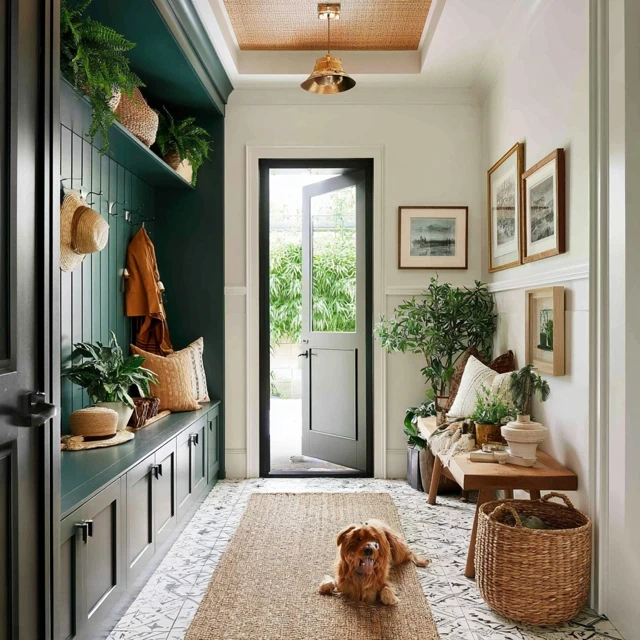
The first thing I notice when I unzip my tent after a rainy hike is the sound: a soft squelch as my boots hit the ground. Then comes the smell—damp earth, pine needles, and wet nylon. And if I’m not careful, that mud tracks right inside the tent, turning my cozy sleeping space into a gritty mess. That’s where a tent mudroom comes in. It’s not a luxury; it’s a system. Here are the mudroom ideas that everyone’s saving right now—practical, simple, and genuinely effective.

Why a Tent Mudroom Changes Everything
Think of your tent’s entryway as a transition zone. In a house, you kick off shoes, hang a wet coat, and drop keys. In a tent, that same zone keeps dirt, moisture, and pine needles out of your sleeping bag. It also keeps your gear organized so you’re not digging through a pile at midnight. The goal is to create a dedicated spot for wet or dirty items—outside the inner tent but still protected from the elements.
Start with the Right Foundation
Your mudroom begins on the ground. I always lay a separate ground tarp just outside the tent door. This tarp should be slightly larger than the entry area—about 3 feet by 4 feet for most tents. Use a cheap poly tarp or a heavy-duty footprint. The trick is to fold the edges under so water doesn’t pool on top. Then, place a doormat on that tarp. I use a rubber-backed coir mat because it scrapes off mud and dries fast. Avoid fabric mats that soak up water and become a soggy sponge.
Common Mistake to Avoid
Don’t put the mat directly on bare ground. Rain will soak it, and mud will cake underneath. The tarp keeps the mat dry and makes it easy to shake out later. Also, stake down the tarp edges if it’s windy—nothing worse than your mudroom flying away at dusk.
Create a Shoe Station That Works
Once the mat is set, think about where shoes go. A collapsible tub or a small plastic bin works perfectly. Place it right on the mat, just outside the tent door. When you return from a hike, you sit on the tent floor, unlace your boots, and drop them in the tub. No bending over, no mud on your knees. For wet boots, I line the tub with a grocery bag to catch drips. In the morning, I dump the water and hang the tub on a tree to dry.
If you’re camping with kids, this is a lifesaver. Teach them the rule: boots come off before the tent door unzips. The tub becomes the only place for muddy footwear. I’ve found that a 12-inch-deep tub keeps boots from tipping over, and a small one (about 18 inches wide) fits neatly in most vestibules.
Hang It Up: Vertical Storage for Wet Gear
Now, what about wet jackets, hats, and gloves? They need to dry, but they shouldn’t hang inside your tent where condensation becomes a problem. Use the tent’s vestibule or a nearby tree branch. I carry a lightweight bungee cord and two mini carabiners. I string the cord across the vestibule roof or between two trees near the door. Then I clip wet items onto it. This keeps them off the ground and allows airflow.
For smaller items like gloves or socks, a mesh laundry bag works as a drying pouch. Hang it from the bungee cord or a gear loft hook. The mesh lets air circulate, and items dry faster than if they’re stuffed inside a backpack. This system also keeps your tent floor clear—no tripping over wet gear at 2 a.m. when you need to pee.
Adapting for Rain and Wind
If rain is horizontal, your vestibule might not be enough. In that case, pitch a small tarp over your tent door. Use trekking poles or branches to create an awning. This gives you a dry zone to stand while you strip off rain gear. I use a 5×7-foot tarp for this—it’s light and packs small. Stake it on the windward side to prevent flapping. The awning also keeps your mudroom dry, so the mat and tub don’t fill with water.
Keep Small Essentials Handy
A mudroom isn’t just for shoes and jackets. It’s also where you stash the little things you need when entering or leaving: headlamp, keys, phone, sunscreen, bug spray. A small hanging organizer with clear pockets works wonders. I hang it from a gear loft hook or a loop inside the tent door. Each pocket holds one item—no digging. If you don’t have an organizer, use a small stuff sack clipped to the tent’s interior. Label it with a permanent marker so everyone knows where the headlamp lives.
For families, this is where the chaos gets contained. Each kid gets a pocket for their own stuff. No more “Where’s my flashlight?” at bedtime. The organizer also keeps these items off the muddy ground, so they stay clean and ready to use.
Don’t Forget the Broom
Even with a mudroom, some dirt will sneak in. A small hand broom and dustpan are worth the weight. I keep them in a mesh pocket near the door. Every time I enter, I give the tent floor a quick sweep. This takes 30 seconds and prevents sand from grinding into your sleeping pad. I use a lightweight, compact set that fits in my cook kit. The key is to sweep toward the door, then dump the debris onto the tarp outside.
Safety Note: Keep It Clear
Your mudroom should never block the tent door or create a tripping hazard. In an emergency—like a sudden storm or a middle-of-the-night bathroom run—you need a clear path out. Keep the tub and organizer off to the side, and don’t pile gear in front of the zipper. Also, never store food in the mudroom area. That’s a recipe for attracting wildlife to your tent door. Store all food and scented items in a bear canister or food bag away from your sleeping area.
The Takeaway
A tent mudroom isn’t complicated. It’s a tarp, a mat, a tub, a bungee cord, and a small organizer. That’s it. But this simple system keeps your tent cleaner, your gear organized, and your mornings smoother. The next time you set up camp, take five extra minutes to create your mudroom. Your future self—tired, muddy, and hungry—will thank you.
Frequently Asked Questions
What is a tent mudroom?
A tent mudroom is a designated area at your tent’s entrance—often in the vestibule or under a tarp—where you remove dirty shoes, store wet gear, and keep dirt and moisture from entering the sleeping area. It’s like a mini entryway for your campsite.
How do I create a mudroom in a small tent without a vestibule?
Use a ground tarp extended a few feet beyond the tent door, then place a doormat and a collapsible tub for shoes on it. A small hanging organizer on a nearby tree or a gear loft inside the door can hold smaller items. Keep the setup simple and low-profile.
What are the best materials for a tent mudroom mat?
A durable, outdoor-rated coir or rubber mat works best. Avoid plush or absorbent mats that hold moisture and become heavy. A rubber-backed mat with a textured surface scrapes off mud and dries quickly in the sun.