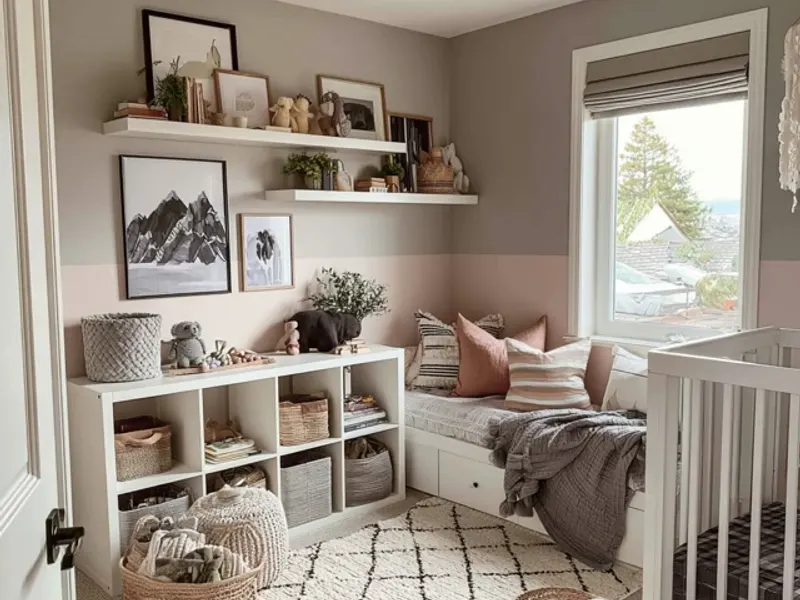
After 30 Homes, This Is My Favorite Nursery Room Ideas
The first time I tried to create a comfortable sleeping space for a little one inside a tent, I made every mistake in the book. I put the portable crib right by the door—draft central. I forgot a dedicated spot for diapers, so they ended up under the sleeping bag, getting crushed. After setting up temporary homes in more than 30 different tents, across rain, wind, and unexpected cold snaps, I've dialed in a system that actually works. Here are my favorite nursery room ideas for tent camping, built on real technique and a whole lot of trial and error.

Choose the Right Tent Layout for Safety and Flow
The biggest lesson I've learned: the tent floor plan matters more than the gear. For a nursery setup, you need a tent with at least two distinct zones. A simple dome tent forces you to cram everything together, which creates tripping hazards and makes middle-of-the-night calm impossible. I always look for a cabin-style tent or a large tunnel tent with a separate room or a wide footprint I can divide.
Position the baby's sleep area in the warmest, most sheltered corner—usually the one farthest from the door and opposite the prevailing wind direction. If the tent has a single entrance, place the crib or bassinet against the back wall. This cuts down on drafts and keeps the little one away from the constant in-and-out traffic. I stake the tent with all corners pulled tight to maximize interior space and reduce flapping fabric that can wake a light sleeper.
Create a Dedicated Changing and Diaper Station
You cannot change a squirming baby on a sleeping bag in the dark. Trust me. I learned to build a simple, stable changing station using a low, foldable camping table (one that sits about 12 inches off the ground). On top, I place a waterproof changing pad with raised edges. Underneath, I store a clear bin labeled “Diapers & Wipes” and another for “Creams & Spare Clothes.” This keeps everything at waist level when I'm kneeling, and the bins slide out easily for restocking.
For the bin labels, I use a permanent marker on painter's tape—it holds up to condensation and peels off without residue. I also hang a small mesh laundry bag from the tent pole near the station for soiled cloths or wet clothes. One critical detail: keep a headlamp with a red light mode clipped to the table. White light at 2 a.m. will wake everyone. Red light lets you see without disrupting sleep.
Common Mistake: Forgetting Ventilation
Diaper changes and spit-ups create odors fast inside a sealed tent. I always crack a small vent at the top of the tent, opposite the wind, to keep air moving. If the weather is warm, I unzip the lower part of the door mesh to create cross-ventilation. This also helps reduce condensation, which can make the nursery area damp and uncomfortable.
Layer the Sleep Zone for Temperature Control
Temperature swings inside a tent can be brutal. I've seen it drop 15 degrees from bedtime to midnight. For a baby's sleep area, I use a three-layer system. First, a thick closed-cell foam pad on the tent floor—this blocks ground cold. Second, a self-inflating sleeping pad with an R-value of at least 4.5. Third, a fitted, waterproof crib sheet over a small portable crib or a travel bassinet with a firm, flat mattress.
Instead of blankets, I use a baby sleep sack with a TOG rating appropriate for the season. For cold nights (below 50°F), I go with a 2.5 TOG sack plus a fleece onesie underneath. For mild nights, a 1.0 TOG sack with a cotton footie pajama. I never use loose blankets or pillows inside the crib—they pose a suffocation risk and can get tangled. To add a layer of warmth without bulk, I place a folded wool blanket under the crib mattress, not over the baby.
Use Blackout Fabric for Better Sleep
Tent walls let in light as soon as the sun rises, which can end a nap prematurely. I carry a large piece of blackout fabric (the kind used for window curtains) and a roll of binder clips. At bedtime, I clip the fabric over the tent ceiling above the sleep zone, draping it down the sides. This blocks morning light and also adds a thin layer of insulation. In hot weather, I leave a gap near the top for heat to escape. In cold weather, I secure it all the way down to trap warmth.
For the door area, I hang a dark-colored towel over the inner mesh using command hooks. This cuts light from early risers and muffles noise from outside. I always test the setup during the day—if I can see my hand in front of my face, the blackout needs adjustment.
Organize Feeding Supplies for Quick Access
Middle-of-the-night feedings require efficiency. I keep a small, insulated cooler bag with pre-measured formula or pumped milk, a thermos of hot water, and two clean bottles in a dedicated bin near the sleep area. I also pack a portable bottle warmer that plugs into a USB power bank—it's faster than heating water on a camp stove at 3 a.m. For breastfeeding, I set up a low camping chair with a backrest and a small side table for a water bottle and snacks.
One trick I swear by: pre-portion formula into small, labeled containers using a kitchen scale before the trip. This saves time and prevents spills in the dark. I also keep a small trash bag clipped to the table for used wipes and bottle liners.
Weatherproof the Nursery Zone
Rain and wind can turn a cozy tent into a nightmare. I always pitch the tent with the nursery area on the leeward side—the side opposite the wind. I use extra guy lines on the corners near the crib to reduce fabric movement. Before the trip, I seam-seal the tent floor and walls to prevent leaks. If rain is forecast, I lay a ground tarp under the tent, folded so it doesn't extend past the edges (otherwise it collects water).
Inside, I place a small, absorbent mat (like a microfiber camping towel) just inside the door for wiping wet feet. This keeps moisture from tracking into the nursery area. I also store all baby clothes and bedding in dry bags, even inside the tent. Condensation can form on the tent walls overnight, and a dry bag keeps everything crisp.
Safety Notes for Tent Nurseries
Carbon monoxide is a real risk when using heaters or stoves near a tent. I never use a propane heater inside the tent. If I need extra warmth, I use a portable electric heater with a tip-over shutoff, powered by a generator placed at least 20 feet away. I always bring a battery-powered carbon monoxide detector and place it near the sleep zone. For fire safety, I keep all camp stoves and lanterns outside the tent, and I fully extinguish any campfire before entering the tent for the night.
Wildlife-safe food storage is non-negotiable. I store all snacks, formula, and breast milk in a bear canister or a hard-sided cooler locked in the car, not inside the tent. Even a small crumb can attract animals.
Takeaway: One Setup, Many Nights of Comfort
After 30 different tent setups, I've learned that a nursery room idea isn't about fancy decor—it's about creating a safe, warm, and organized zone that works with the weather and your routine. Start with the layout, layer the sleep area, and keep essentials within arm's reach. Test your system at home first, then adjust based on the campsite conditions. With these techniques, you can turn any tent into a comfortable home for your little one, no matter how many times you move.
Frequently Asked Questions
How do I keep a baby warm in a tent at night?
Layer the sleeping area with a thick insulated pad, a fleece liner, and a baby-specific sleep sack. Avoid loose blankets. Use a tent-safe portable heater with a carbon monoxide detector, and dress the baby in thermal base layers. Always check the temperature and wind conditions before bed.
What is the best way to organize baby gear in a tent?
Use clear, labeled bins for diapers, wipes, clothes, and feeding supplies. Stack them along one wall or under a low table. Keep a dedicated changing station with a waterproof pad and a small trash bag for soiled items. Hang a mesh organizer on the tent wall for small essentials like pacifiers and lotion.
Can I set up a nursery in a tent while camping?
Yes, with careful planning. Choose a large tent with separate rooms or use a divider. Place the baby's sleep area away from the tent door to reduce drafts. Use blackout fabric or a dark tarp over the tent for better sleep. Keep the area clean and free of trip hazards.