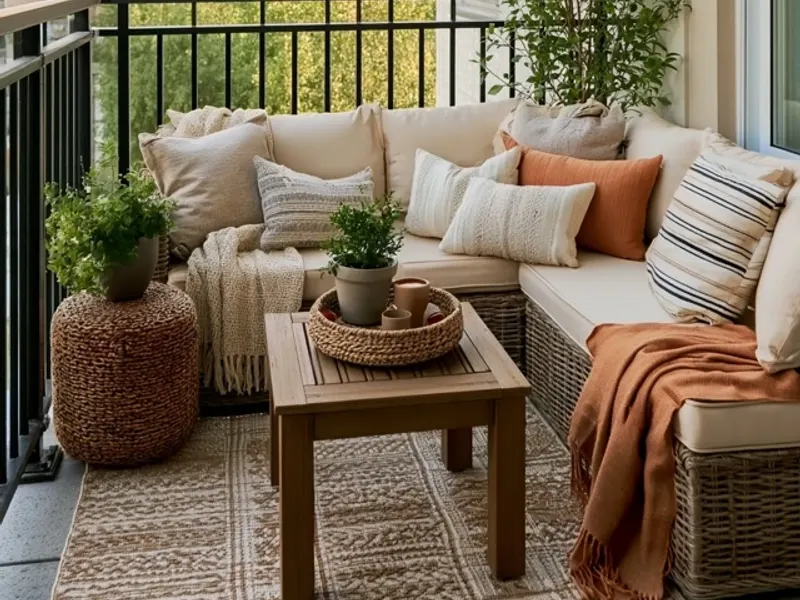
Apartment Balcony Decor Trick Nobody Talks About
I never expected to find my tent camping gear living on a balcony. But last spring, after a rainy week left my tiny outdoor space unusable, I grabbed my backpacking tarp and a few stakes. Within twenty minutes, I had a dry, cozy nook that felt like a secret hideout. That's the trick nobody talks about: using tent camping gear to transform an apartment balcony into a weatherproof, organized, and genuinely comfortable outdoor room.

Why Tent Gear Works on a Balcony
Most balcony decor—cushions, rugs, umbrellas—is designed for mild, calm weather. One gust of wind or a sudden downpour, and you're hauling everything inside. Tent camping gear, on the other hand, is built to handle wind, rain, and temperature swings. A lightweight tent or tarp creates an instant shelter. A camping mat adds insulation underfoot. Mesh pockets organize keys, books, and phone chargers. The same principles that keep a campsite tidy and comfortable can turn a concrete slab into a retreat.
The Setup: Step by Step
Measure First
Before buying anything, measure your balcony's length, width, and railing height. A standard 2-person backpacking tent (roughly 7 by 4 feet) fits most apartment balconies. If your space is smaller, use a camping tarp—a 6 by 8 foot tarp can be pitched with a single pole or a tension line to the wall. The goal is shelter, not a full sleep setup.
Anchor Without Damage
You can't drive stakes into concrete. Instead, use sandbags (fill heavy-duty zipper bags with play sand) or large carabiners and bungee cords to attach tent corners to the balcony railing. For a tarp, loop bungees through the grommets and hook them to the railing or a heavy planter. Avoid adhesive hooks—they fail in rain or heat. Test the tension by pushing gently on the fabric; it should hold firm without sagging.
Layer the Floor
A concrete balcony gets cold and hard. Place a closed-cell foam camping pad (the kind you use under a sleeping bag) as a base. Top it with a small outdoor rug or a camping blanket. The foam pad blocks cold from below and adds cushioning. In hot weather, it also prevents the concrete from radiating heat upward.
Organization That Stays Put
The campsite trick of using mesh pockets and dry bags works beautifully on a balcony. Attach a mesh shoe organizer to the inside of the railing with zip ties—it holds books, sunscreen, snacks, and a lantern without taking floor space. Use a small dry bag for cushions and electronics when you're not out there. A foldable camping table (the ones with a roll-top and aluminum legs) provides a stable surface for a mug or a plant, and it folds flat for storage.
Common mistake: using regular fabric storage bins. They absorb moisture, grow mold, and blow over. Stick to waterproof or mesh camping gear.
Weatherproofing for Real Life
Rain
A tarp pitched with a slight slope (one side higher than the other) lets water run off instead of pooling. Angle the low side toward a drain or over the railing. If you use a tent, always close the rainfly fully—even a light drizzle will soak cushions left out overnight.
Wind
Position the narrow end of the tent or tarp into the prevailing wind. Use extra bungee cords to create low anchor points near the floor. If gusts are strong (over 20 mph), take down any fabric shelter—it can act like a sail and damage the railing or blow into the street. Store everything inside until the wind passes.
Heat
On hot days, a tent traps heat. Instead, pitch a tarp as a shade sail, leaving sides open for airflow. Use a battery-operated fan clipped to the railing. Camping reflectors (the kind used behind a campfire) can also be placed to direct heat away from the balcony.
Cozy Details Without Clutter
String lights powered by a USB battery pack add warmth without fire risk. Hang them from the tent's interior loops or along the railing. A camping lantern with a dimmer switch gives soft light for reading. Avoid candles, citronella torches, or propane heaters—they pose a fire hazard in small spaces and may violate lease terms.
For seating, use low camping chairs or a padded camp stool. They fold flat for storage and are designed to shed water. Add a single throw pillow made from outdoor fabric—one that can be wiped clean. Keep decor minimal: a small potted herb, a ceramic mug for tea, and a book. The goal is a space that feels open, not cluttered.
Adapting for Kids or Pets
If children or pets use the balcony, choose a tent with mesh windows and a zippered door to keep them contained. Secure all gear with sandbags so nothing can be knocked over. Never leave a pet unattended inside a tent on a balcony—temperatures can rise dangerously fast. For kids, add a soft camping blanket on the foam pad for a play area, and store toys in a mesh bag out of reach of the railing.
Safety Notes
Check your lease and local fire codes before setting up any shelter. Most buildings prohibit open flames and may restrict the size of structures on balconies. Never block a fire escape or walkway. In strong storms, take down all fabric and loose items. For carbon monoxide safety, never use a camp stove, grill, or fuel-powered lantern on a balcony—even if it's well-ventilated, the gas can build up and cause harm.
The Takeaway
The best balcony decor isn't expensive furniture or trendy cushions. It's the same gear that keeps a tent campsite dry, organized, and comfortable. A tarp, a foam pad, mesh pockets, and a few bungee cords can turn any outdoor space into a place you actually want to sit—rain or shine. That's the trick nobody talks about, and it works every time.
Frequently Asked Questions
Can I really pitch a tent on my apartment balcony?
Yes, if your balcony is at least 6 feet long and 4 feet wide. Use a small 2-person tent or a camping tarp. Check your lease and local fire codes first—some buildings restrict open flames or large structures. Secure the tent with sandbags or bungee cords to the railing, not stakes, since you can't drive stakes into concrete.
How do I keep my balcony decor from blowing away?
Use the same techniques as tent camping in wind: stake down with sandbags or heavy weights, orient the narrow end of the tent or tarp into the prevailing wind, and use low-profile gear. Avoid umbrellas—they act like sails. For loose items like cushions, store them in a waterproof camping dry bag when not in use.
What's the best way to add light without electricity?
Use battery-operated LED camping lanterns or string lights with a USB power bank. Hang them from the tent's interior loops or a tension rod across the balcony. Avoid candles or propane lanterns—they pose a fire risk in small spaces, especially near curtains or furniture.