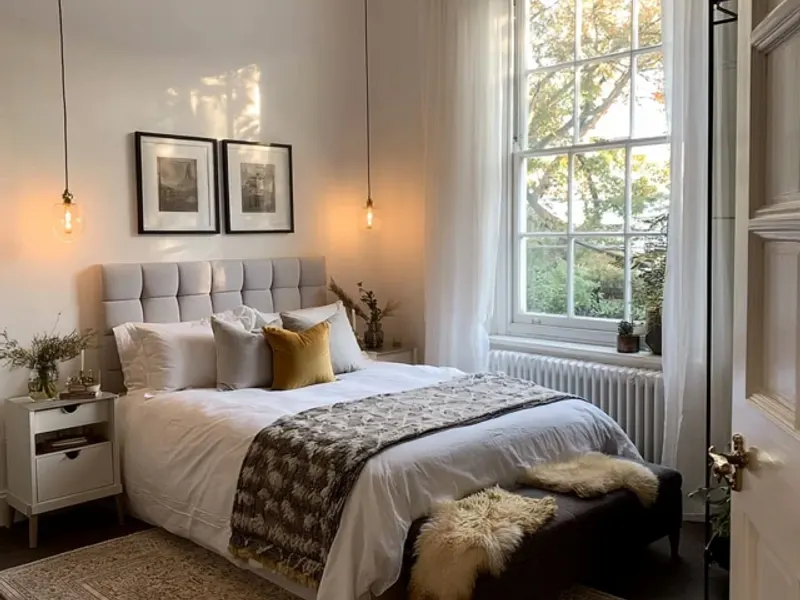
Designer-Approved Bedroom That Never Go Out of Style
There's a particular kind of quiet that settles into a room when every piece belongs. No second-guessing. No urge to redecorate next season. That's the hallmark of a designer-approved bedroom that never goes out of style—a space built on substance, not trends. I've spent years studying what makes a room feel both current and enduring, and the answer has little to do with the latest paint color or Instagram-famous light fixture. It's about structure, proportion, and one overlooked principle most decor blogs skip entirely.

The Foundation: Choose Furniture That Outlives Trends
Start with the bed frame. This single piece anchors the entire room, so it must be quietly confident. Avoid anything with built-in storage drawers, tufted headboards, or metal scrollwork—those details date fast. Instead, look for solid wood with clean lines: a Shaker-style platform bed, a simple panel bed, or a Japanese-inspired low frame. The wood should be visible, not painted. Oak, walnut, or maple in a natural or stained finish. Why? Wood ages gracefully. Scratches and patina add character, not wear. Spend the bulk of your budget here. A well-made bed frame should outlast your phone, your car, and probably your sofa.
Next, the dresser and nightstands. Match them loosely—same wood species, but not necessarily the same design. A mid-century walnut dresser can sit beautifully beside a more rustic oak nightstand if the hardware and proportions feel related. The common mistake is buying a matching bedroom set. That look belongs in a catalog, not a home that breathes. Instead, hunt for secondhand pieces with dovetail joints and solid backs. They cost less and hold more character.
The Unexpected Trick: Anchor the Room with Negative Space
Here's the angle you won't find on ten other sites: the most important element in a timeless bedroom is not a piece of furniture or a color—it's the empty space. Specifically, the gap between the foot of the bed and the opposite wall. Leave at least 36 inches there. That breathing room makes the bed feel like a destination, not a piece of furniture shoved against a wall. It also allows for a bench or a storage trunk at the foot, which adds function without clutter. If your room is small, resist the urge to push the bed into a corner. Center it on the longest wall, even if it means losing a nightstand on one side. The symmetry of negative space is what makes a room feel designed rather than arranged.
Color Palette: Neutrals with a Single Warm Note
Timeless bedrooms live in the neutral zone. White, cream, warm gray, soft taupe, and natural linen tones form the backbone. But here's the nuance: choose one warm accent color and repeat it in small doses. Not a bold splash—a whisper. Think ochre in a single throw pillow, or a terracotta vase on the dresser. That tiny warmth keeps the room from feeling sterile or cold. Avoid cool grays and stark whites; they read as clinical. Instead, paint the walls a soft off-white with yellow undertones—Benjamin Moore's White Dove or similar. The ceiling should be the same color, flat finish, to erase visual boundaries and make the room feel larger.
Bedding: Layers of Texture, Not Pattern
Patterns are the enemy of timelessness. They lock you into a specific era and mood. Instead, build your bed with layers of texture: a linen duvet cover, a chunky cotton blanket at the foot, a pair of washed-linen pillowcases, and one or two solid Euro shams. The visual interest comes from weave, weight, and drape—not print. Stick to white, cream, and one neutral tone like oatmeal or stone. When you wash linen, it softens and develops a lived-in crinkle that feels effortlessly elegant. That texture is what designers call "visual quiet." It's the difference between a bed that looks styled and one that looks staged.
Lighting: Soft, Indirect, and Layered
Overhead lights are for cleaning, not living. A timeless bedroom has at least three light sources: bedside lamps, a floor lamp in a corner, and perhaps a small picture light above a piece of art. The bulbs should be warm (2700K) and dimmable. Use lampshades in linen or paper—they diffuse light softly and cast a glow that flatters skin and softens edges. Avoid black metal shades or anything with a reflective interior; those create harsh pools of light. The goal is a room that feels like a sanctuary at any hour, not a showroom.
The One Item That Instantly Dates a Bedroom
If I could wave a wand and remove one thing from every bedroom, it would be the upholstered headboard. They collect dust, stain easily, and the fabric style (tufted, channeled, or buttoned) screams a specific decade. Instead, let the wall behind the bed remain bare, or hang a single large piece of unframed canvas or a textile. The absence of a headboard is actually more modern and more timeless than any padded rectangle. If you need something to lean against while reading, use two large European square pillows propped against the wall.
Takeaway
A designer-approved bedroom that never goes out of style is not about following rules—it's about understanding why certain choices endure. Buy furniture that could have existed fifty years ago and will still look right fifty years from now. Leave space empty on purpose. Let texture and warmth do the decorating. And resist the urge to fill every corner. The most stylish rooms are the ones that let you breathe.
Frequently Asked Questions
What makes a bedroom design truly timeless?
Timeless bedroom design relies on classic furniture shapes (like a solid wood bed frame with clean lines), a neutral base palette, natural materials (linen, wool, cotton), and functional layout. Avoid trendy patterns or bold accent walls. Instead, invest in quality heirloom pieces and let texture do the work.
How do I style a bedroom so it never looks dated?
Start with a neutral backdrop—white or warm beige walls, natural wood floors. Choose one or two statement pieces (a vintage dresser or a sculptural lamp) but keep most items simple. Use layers of bedding in solid colors, and swap out small accessories like throw pillows seasonally. The key is restraint: less clutter means longer visual lifespan.
Can I mix modern and traditional elements in a timeless bedroom?
Absolutely. The trick is balance. Pair a traditional wooden bed frame with clean modern bedside tables, or a mid-century dresser with linen curtains. The mix creates depth without looking theme-y. Keep the color palette consistent across both styles to unify the room.