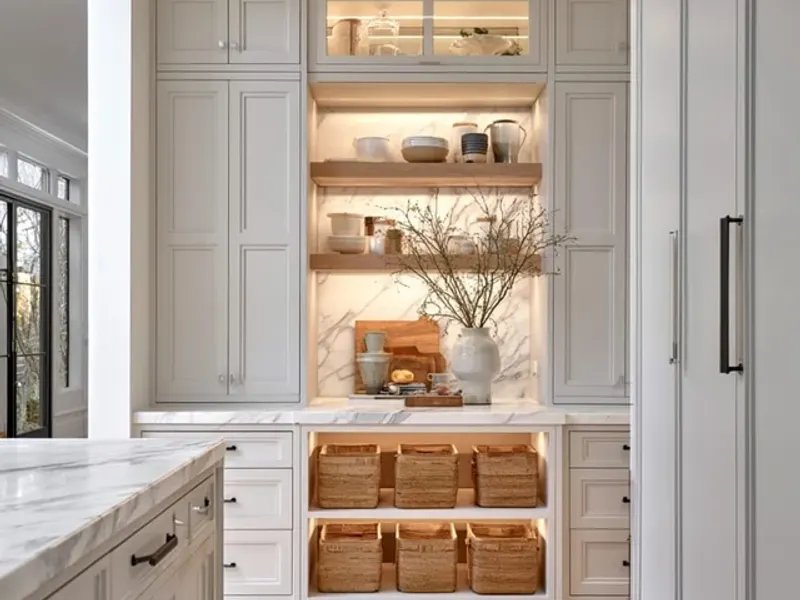
Designer-Approved Kitchen Storage Furniture That Never Go Out of Style
There’s a particular satisfaction in walking up to your camp kitchen and seeing everything in its place. The coffee canister sits snugly in a wooden crate. The spice bottles line up like soldiers in a mesh bag. The cutting board slides right into its designated slot. It’s not just about looking good—though that certainly helps the mood. It’s about knowing exactly where your hands will find the spatula when the bacon starts to spit.

Why Some Storage Pieces Last Decades
Designer-approved kitchen storage furniture that never go out of style share a few traits: clean lines, natural materials, and modularity. Think of a simple wooden crate—it’s been used for a century and will be used for another. The same goes for a sturdy canvas tote or a stackable metal bin. These pieces work because they adapt. A wooden crate can hold pots one season, kindling the next, and serve as a side table in between. That versatility is what makes them timeless.
The One Trick Most Campers Miss
Here’s the angle you won’t find on ten other sites: use nesting storage furniture. Instead of buying one large bin, get two or three smaller ones that fit inside each other when empty. During setup, pull them apart and arrange them in a row. Packing up, they collapse into a single stack. This saves space in your vehicle and keeps your camp kitchen modular. My go-to is a set of three rectangular plastic bins with lids—each about 12 inches by 8 inches. They stack perfectly, and the clear lids let me see the contents at a glance. That’s the trick: visibility without opening every lid.
What to Look For in Timeless Camp Kitchen Furniture
Material Matters
Wood is warm and repairable. A scratch on a wooden crate adds character. But wood needs sealing—use a food-safe mineral oil or beeswax finish to protect against rain and dirt. Plastic is lightweight and waterproof, but avoid thin, brittle plastics that crack in cold weather. Look for heavy-duty polypropylene or polyethylene. Metal, like powder-coated steel, is strong but can rust if scratched. Always dry metal pieces before storing.
Size and Weight Constraints
Measure your car’s cargo area before buying. A crate that’s 18 inches long, 12 inches wide, and 10 inches tall fits most trunks and hatchbacks. Keep each piece under 10 pounds when empty. You’ll fill them with food and gear, so the base weight matters. I learned this the hard way with a beautiful solid-oak box that weighed 15 pounds empty—lovely to look at, a pain to haul.
Weather and Terrain Adaptability
If you camp in damp areas, choose plastic or sealed wood. For sandy or dusty sites, use bins with tight-sealing lids to keep grit out. On windy days, avoid tall, narrow storage that can tip. Instead, use low, wide crates that sit flat on the table. A common mistake is using a single tall bin for all kitchen items—it becomes a game of Jenga every time you need a spoon.
Setting Up Your Camp Kitchen Storage
Start with a stable surface. A foldable table with adjustable legs is ideal. Place your storage furniture on the table, not on the ground. This keeps food away from crawling insects and curious raccoons. Arrange items in the order you use them: food prep tools on the left, cooking tools in the middle, serving items on the right. Use small mesh bags or canvas pouches inside crates for utensils and spices. Label every bin with a permanent marker on masking tape—it peels off easily when you want to reuse the bin for a different trip.
Safety Note for Camp Kitchens
Never store food in your tent—even in sealed containers. The smell attracts animals. Keep all food, cooking gear, and scented items (like soap and toothpaste) in your camp kitchen storage, ideally inside a bear-proof container if required by local regulations. Always extinguish camp stoves and lanterns before packing them away. And remember: carbon monoxide from stoves and heaters is invisible and deadly—never use them inside a tent.
Adapting for Family Camping
With kids, the camp kitchen becomes a hub of activity. Use lower crates for kid-friendly items like cups and snacks. Keep sharp tools and hot pans in higher storage. I like a two-tier system: a low bin for plates and bowls, a higher one for knives and the stove. This keeps little hands safe while letting them help with meal prep. Clear bins are especially helpful here—kids can see their own snack bag without asking for help.
The Takeaway
Designer-approved kitchen storage furniture that never go out of style isn’t about trends. It’s about choosing pieces that are simple, durable, and adaptable. A wooden crate, a clear plastic bin, a canvas tote—these are the building blocks of a camp kitchen that works year after year. Invest in quality materials, keep them clean, and they’ll serve you through countless campfires. And the next time you pull that perfectly organized bin from your car, you’ll feel that quiet satisfaction of a kitchen that’s truly yours.
Frequently Asked Questions
What is the best type of storage furniture for a camp kitchen?
Look for stackable, lightweight, and weather-resistant pieces. Wooden crates or clear plastic bins with lids work well because they protect food from moisture and critters while keeping items visible and organized.
How do I keep camp kitchen storage furniture stable on uneven ground?
Place a flat, level surface like a foldable table or a large cutting board under your storage. For bins, use rubber mats or grip pads underneath to prevent sliding. Always stake down any furniture that might tip in wind.
Can I use designer-style storage furniture for camping without damaging it?
Yes, but choose durable materials like powder-coated metal, treated wood, or heavy-duty plastic. Avoid anything with delicate finishes. A simple wipe-down after each trip keeps them looking great.