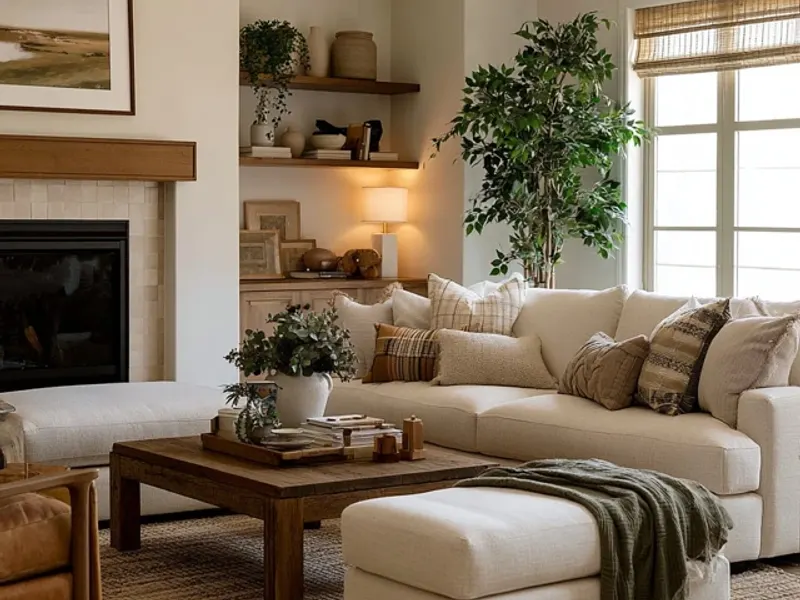
How a Living Room Design Made My Whole House Feel New
The first thing I noticed was the light. Not the overhead fixture—the soft, diffused glow bouncing off a canvas-colored wall. It reminded me of how morning light filters through a tent fly after a rainy night. That’s when it clicked: the living room design that made my whole house feel new wasn’t about buying new furniture. It was about borrowing the logic of a well-pitched tent.

Start with the Footprint
Before you arrange a single chair, measure your room the way you’d measure a tent site. I use a tape measure and mark the corners with painter’s tape on the floor. This gives you a true sense of flow—where the walkways are, where furniture will block natural paths. The common mistake is pushing everything against the walls. In a tent, you never do that because you need every inch of floor space. Same applies here. Pull the sofa at least 12 inches from the wall. It creates breathing room and makes the ceiling feel higher.
Zone Like a Campsite
A tent has distinct areas: sleeping, gear storage, and a small living nook. Your living room should too. I set up three zones: a seating circle (the “campfire”), a reading corner (the “hammock spot”), and a utility wall (the “gear station”). The seating circle uses a low coffee table—no taller than 18 inches—so sightlines stay open. The reading corner has a single armchair and a floor lamp. The utility wall holds baskets and shelves for everyday items like chargers, books, and remotes. This prevents clutter from spreading across every surface.
Why This Works
Zoning prevents the room from feeling like a dumping ground. Each zone has a clear purpose, so you naturally put things back where they belong. It’s the same discipline that keeps a tent tidy: every item has a home, and you don’t let gear spill into the sleeping area.
Layer the Lighting
In a tent, you use a lantern for ambient light, a headlamp for tasks, and maybe a string of fairy lights for mood. Replicate that at home. I replaced the single overhead fixture with three light sources: a floor lamp with a warm bulb (2700K), a small table lamp on the utility wall, and a dimmable LED strip behind the TV console. No overhead light on its own. The result is a room that shifts from bright to cozy with a single switch. For safety, never use a camping lantern or propane light indoors without ventilation—carbon monoxide is a real risk.
Choose a Neutral Base, Then Add One Accent
Tent interiors are mostly neutral—tan, olive, navy. That’s intentional: neutral doesn’t compete with the view outside. I painted the walls a warm off-white (think unbleached canvas) and chose a sofa in a soft gray. Then I added one accent color: a rust-orange throw pillow and a matching ceramic vase. That’s it. Two accent pieces. More than that and the room starts to feel busy. The neutral base makes the space feel larger and calmer, exactly like a tent that lets the forest be the main attraction.
Use Vertical Storage
In a tent, you hang gear from loops and poles to keep the floor clear. I installed floating shelves above the sofa—12 inches deep, spaced 14 inches apart—and used them for books, a small plant, and a basket for remotes. Below the shelves, I mounted a row of hooks for bags and hats. This keeps the floor completely clear, which is essential for both cleaning and visual calm. The trick is to keep the shelves no more than 60% full. Empty space is part of the design.
What to Avoid
Don’t use bulky bookshelves that eat floor space. They create visual weight and make the room feel smaller. Stick to wall-mounted storage or low, narrow cabinets. If you have kids, use closed bins on lower shelves to hide toys—same way you’d use a dry bag to keep clothes separate from food in a tent.
Add Texture, Not Clutter
A tent feels cozy because of texture: the canvas walls, the sleeping pad, the fleece blanket. I brought that into the living room with a chunky knit throw, a sisal rug, and linen curtains. No patterns, just texture. The rug is key—it defines the seating zone and absorbs sound. Choose a natural fiber like jute or sisal. It’s durable, easy to clean, and adds that grounded, outdoor feel. Avoid synthetic shag rugs; they trap dust and look messy within weeks.
The One Trick That Ties It All Together
Here’s the specific angle you won’t find on ten other sites: use a single, continuous line of sight. In a tent, you can see the entrance from your sleeping bag. That line of sight keeps the space feeling connected. At home, I arranged the furniture so that from the sofa, I can see the front door, the reading chair, and the utility wall without turning my head. This creates a sense of security and flow. It also discourages me from piling stuff in the middle of the room, because I’d have to look at it.
Takeaway
The living room design that made my whole house feel new isn’t about trends or expensive pieces. It’s about treating your home like a tent: intentional zones, layered light, neutral colors, vertical storage, and one clear line of sight. Try it on a weekend. Move the sofa away from the wall. Swap the overhead light for a lamp. Clear the floor. You’ll feel the difference immediately—a room that breathes, that holds you, that feels like a place you want to be.
Frequently Asked Questions
How can tent camping ideas improve a living room design?
Tent camping emphasizes efficient use of small spaces, layered textures for warmth, and a focus on essentials. Applying these principles—like using modular storage, soft lighting, and a limited color palette—can make a living room feel more intentional and cozy.
What is the first step in redesigning a living room for comfort?
Start by decluttering and defining zones. Just as you stake out a tent footprint, measure your room and assign each area a purpose (seating, reading, storage). This creates flow and reduces visual noise.
How do I choose colors for a cozy living room?
Stick to a neutral base—like canvas or khaki—and add one or two warm accent colors (think rust, olive, or mustard). This mimics a tent's natural palette and makes the room feel grounded and restful.