How Kitchen Decor Refreshed My Entire Home
I’ll never forget the first time I walked into my kitchen after a weekend of tent camping. The counters were cluttered, the cabinets felt heavy, and the whole space seemed to lack the warmth I’d just enjoyed under the open sky. That’s when I realized: the kitchen decor that made my whole house feel new wasn’t about expensive renovations or trendy cabinets. It was about borrowing the simplicity and intentionality of a campsite kitchen and bringing it indoors.

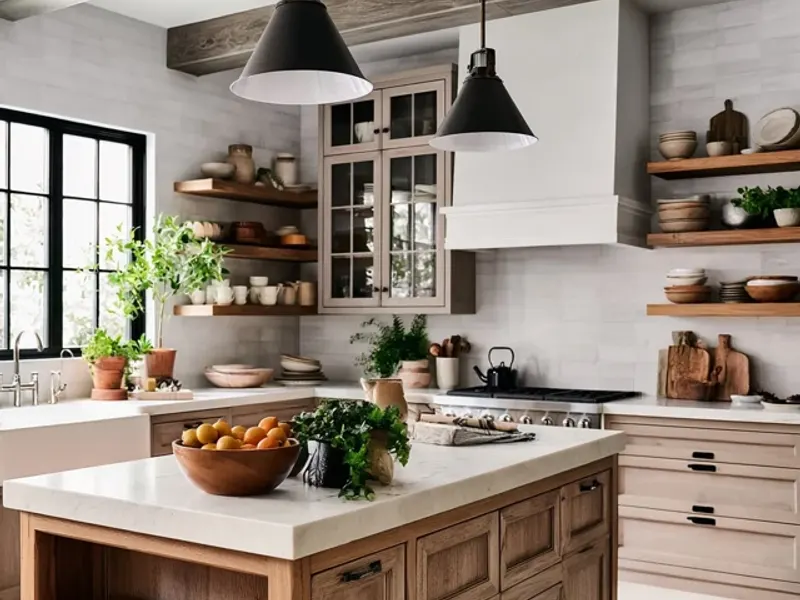
I started small. The first change was clearing the countertops of everything I didn’t use daily. Just like at camp, where every square inch of the picnic table matters, I wanted only the essentials in sight. A wooden cutting board, a cast iron skillet on the stove, and a few glass jars filled with flour, sugar, and coffee. The difference was immediate. The kitchen felt lighter, more open, and strangely, more like home.
Why a Camping Mindset Transforms Your Kitchen
Think about how you set up your camp kitchen. You unpack only what you need, you keep things visible so you don’t lose them, and you create a cozy spot for cooking and eating. That same philosophy works wonders indoors. By stripping away the excess, you let the functional pieces become the decor. A well-used skillet isn’t just a tool—it’s a statement of warmth and practicality.
One trick I swear by is using open shelving for dishes and mugs. At camp, you hang your mugs on a line or stack them on a crate. At home, open shelves do the same job: they keep your favorite pieces within reach and add visual texture. I installed two simple wooden shelves above my sink. Now my white stoneware plates and enamel mugs are on display. They catch the morning light and remind me of lazy breakfasts by the fire.
Warm Lighting Changes Everything
Lighting is the secret ingredient. In a tent, a single lantern or string of fairy lights transforms the whole mood. In my kitchen, I swapped the harsh overhead bulb for a dimmable pendant light with a warm bulb. I also added a small battery-operated lantern on the counter—the same one I use at camp. It casts a soft glow that makes evening cooking feel like a ritual, not a chore.
For a quick fix, try placing a few tea lights in mason jars along the windowsill. It’s a tiny detail, but it softens the edges of the room and makes the space feel lived-in. Just remember: never leave open flames unattended, and keep them away from curtains or paper towels.
Storage That’s Both Pretty and Practical
The biggest change came from rethinking storage. At camp, you use stackable bins, labeled bags, and everything has a home. I applied that to my pantry and cabinets. I bought a set of clear glass canisters for pasta, rice, and beans. I labeled them with a simple chalk marker. Now I can see what I have at a glance, and the jars themselves look like decor.
I also started using woven baskets for produce—potatoes, onions, garlic. They breathe better than plastic bags and add a natural, earthy feel. On the counter, a small wooden crate holds my most-used spices. It’s functional, but it also brings in that camp-kitchen aesthetic where everything is within arm's reach and nothing is hidden behind a cabinet door.
The One Detail That Ties It All Together
If you want one change that makes the biggest impact, it’s this: a dedicated coffee or tea station. At camp, brewing coffee is a centerpiece of the morning routine. I recreated that at home with a small tray holding my French press, a jar of grounds, and a few favorite mugs. It sits on the counter, always ready. It’s the first thing I see in the morning, and it sets a calm, intentional tone for the day.
How to Adapt This for Any Kitchen
You don’t need a big space or a big budget. Start with one counter. Clear it off. Place one or two meaningful items there—a wooden spoon holder, a plant, a jar of tea bags. Live with it for a week. You’ll notice how that small cleared area makes the whole room feel more peaceful.
If you have kids, include them in the process. Let each child pick out a mug or a small plant for the windowsill. It gives them ownership and keeps the space from feeling too precious. And if you’re cooking in a small tent trailer or van, the same principles apply: keep surfaces clear, use vertical storage, and let your tools double as decor.
Safety and Practical Notes
As you bring camping-inspired elements home, keep safety in mind. If you use a camp stove or lantern indoors, ensure proper ventilation—never use unvented fuel-burning devices inside your home. For battery-operated lights, check batteries regularly. And when it comes to food storage, especially if you’re using open jars, keep an eye on pantry moths by storing grains in airtight containers.
Takeaway
The kitchen decor that made my whole house feel new wasn’t about following a trend. It was about remembering what I love about cooking and gathering, whether under a tarp or under my own roof. By bringing in the warmth, the simplicity, and the intentionality of a campsite kitchen, I created a space that feels fresh, functional, and genuinely mine. Start with one shelf, one jar, one lantern. You might be surprised how much a small change can shift the whole feel of your home.
Frequently Asked Questions
How can I make my kitchen feel new without a full renovation?
Start by decluttering countertops and adding warm textures like wooden cutting boards or woven baskets. Swap out plain storage for labeled jars or open shelving to mimic the cozy, intentional feel of a tent camping kitchen.
What are some camping-inspired kitchen decor ideas?
Use mason jars for dry goods, display a cast iron skillet on the stove, hang string lights for soft glow, and incorporate natural elements like pinecones or a small potted herb. These add a rustic, grounded feel.
How do I organize my kitchen for both function and style?
Group items by use—coffee station, baking tools—and store them in clear containers or baskets. Keep daily essentials within arm's reach and tuck away less-used gear. This approach mirrors the efficient, clutter-free setup of a tent camping kitchen.