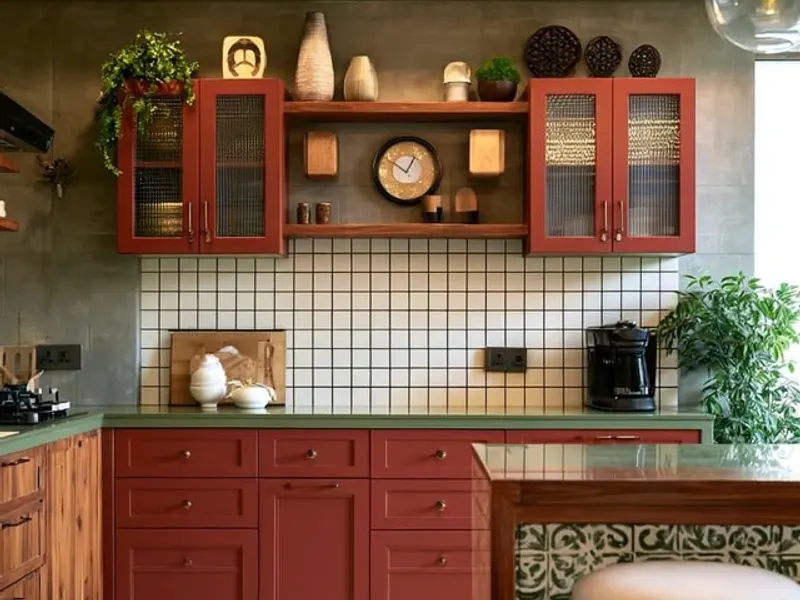
Magazine-Worthy Kitchen Design India Ideas for Tent Camping
The first time I set up a camp kitchen that actually felt like a magazine spread, it wasn't about expensive gear. It was about the rhythm of organization, the way stainless steel catches the morning light, and the satisfying click of a masala dabba snapping shut. In India, where our cooking is vibrant and layered, your campsite kitchen can be both functional and beautiful. Here’s how to make it happen — without sacrificing practicality.

Choose a Sturdy, Elevated Base
Your table is the foundation. A foldable camping table with a stable frame (look for one with locking legs and a weight capacity of at least 25 kg) keeps everything off the ground. This matters for more than aesthetics — it keeps ants, mud, and monsoon dampness away from your ingredients. I always place a waterproof picnic blanket or a thick plastic sheet under the table to catch spills and protect the tablecloth.
Common mistake: Using a flimsy plastic table that wobbles. Test it before you leave home. A wobbling table spills hot chai and topples spice jars.
Layer Your Storage Like a Pantry
Dry Goods
Transfer rice, dal, atta, and snacks into clear, uniform airtight containers. Glass jars with clamp lids work beautifully — they keep moisture out and let you see what’s inside at a glance. For smaller quantities, use stainless steel tiffin boxes stacked in a crate. Label each container with a permanent marker or chalk labels. This isn’t just pretty; it saves you from digging through bags at dusk.
Spices and Masalas
A masala dabba is your best friend. Pack it with the seven spices you use most — turmeric, red chili powder, cumin, coriander, garam masala, salt, and mustard seeds. Store it in a dry bag inside your crate during rain. For oil and ghee, use small steel bottles with tight pour spouts. Keep them in a separate mesh bag to catch any drips.
Fresh Produce
Use a collapsible fabric cooler or a mesh hanging bag for vegetables. Keep onions and potatoes separate — they release gases that spoil greens faster. In hot weather, place a frozen water bottle wrapped in a cloth inside the cooler to keep greens crisp.
Create a Cooking Zone with Flow
Arrange your table in a logical sequence: left to right. Left side holds raw ingredients and prep area (cutting board, knife, bowls). Center is the stove or chulha. Right side holds cooked food and serving plates. This prevents cross-contamination and keeps you from reaching across a hot flame.
For wind: Use a three-panel windscreen made from lightweight aluminum or a folded cardboard sheet wrapped in foil. Secure it with tent pegs or rocks. This cuts cooking time by half and saves fuel.
For monsoon: Pitch a small tarp or a canopy directly over your kitchen table, angled to let rain run off behind. Keep the stove on a separate small table or a heatproof mat on the ground under the tarp — never inside the tent.
Add Aesthetic Touches That Serve a Purpose
A magazine-worthy kitchen doesn’t need clutter. A single small vase with wildflowers or a sprig of mint from a nearby plant adds life. Use a cotton tablecloth in a solid color (white or mustard hides stains well) and secure it with binder clips against the wind. A warm LED lantern placed near the prep area casts a golden glow and helps you see what you’re doing after sunset.
Safety note: Keep all lanterns and stoves away from flammable materials. Never use a camping stove inside a tent — carbon monoxide is invisible and deadly. Set up your kitchen at least 3 meters from the tent entrance, downwind.
Keep It Tidy with a Clean-As-You-Go System
Have two buckets of water: one with soapy water for washing, one with plain water for rinsing. Wash utensils immediately after use and place them on a drying rack (a simple mesh bag hung from a tree branch works). Store food scraps in a sealed ziplock bag or a small bucket with a lid — dispose of it in designated bins or pack it out. This keeps ants and stray dogs away and maintains that magazine look.
Adapt for Kids and Family
If you’re camping with children, create a separate snack station — a low table or a clean mat on the ground with easy-to-reach items like biscuits, fruit, and water bottles. This prevents little hands from rummaging through the main kitchen. Use unbreakable melamine or stainless steel plates and cups. Assign each child a color-coded cup to reduce confusion.
The Takeaway
A magazine-worthy camping kitchen in India is not about luxury — it’s about thoughtful organization, smart storage, and a few intentional touches that make the space feel calm and beautiful. Start with a solid table, organize your spices and staples in uniform containers, and keep your workflow logical. The result is a kitchen that works hard and looks good doing it.
Frequently Asked Questions
How do I keep spices dry during monsoon camping in India?
Use airtight, small stainless steel containers like a masala dabba, and store them in a waterproof dry bag inside a lidded crate. Keep the crate off the ground on a foldable table or camp cot to avoid splash and dampness.
What is the best way to organize a camp kitchen for a family of four?
Use a three-tier system: a sturdy foldable table for prep and stove, a hanging organizer for utensils and spices, and a lidded plastic crate for dry goods and cookware. Group items by meal — breakfast, lunch, and dinner — in separate mesh bags.
Can I create a magazine-look camping kitchen on a budget?
Absolutely. Use matching stainless steel or enamelware, uniform glass jars for staples, a clean tablecloth, and a small vase with wildflowers or fresh herbs. Good lighting — a warm LED lantern — and a tidy layout cost little but make a huge visual difference.