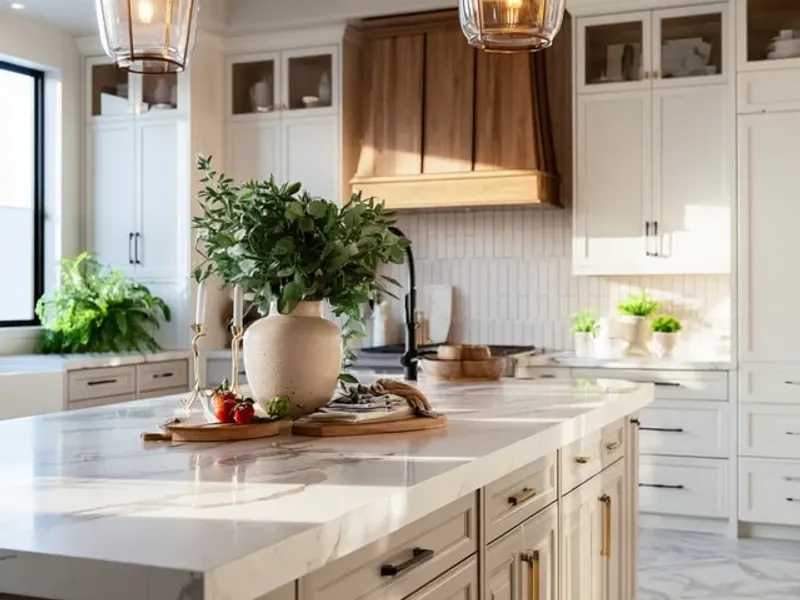
Marble Countertop Styling Trick for Camping Tables
There's a certain satisfaction when you pull into camp, unfold your table, and that first glimpse of a clean, organized kitchen sets the tone. But let's be honest—standard camping tables are functional, not beautiful. The plastic laminate peels, the metal surface gets scratched, and that dull gray or olive green doesn't exactly inspire gourmet cooking. I've tried many solutions: tablecloths that flap in the wind, contact paper that bubbles in the heat, even a thin cutting board sheet that slid around. Then I stumbled onto a trick that changed everything—the marble countertop styling trick nobody talks about. It's simple, lightweight, and transforms a basic camp table into something that feels solid and stylish.

Why Marble Works for Camping
You might think marble is fragile, heavy, and impractical. And you'd be right—for real stone. But the trick uses a marble-patterned vinyl tablecloth, not actual stone. The pattern mimics the veining and depth of natural marble, but the material is waterproof, easy to wipe clean, and surprisingly tough. I chose a heavy-duty vinyl with a flannel backing (at least 12 ounces per square yard). The flannel prevents the cloth from sliding on the table surface, and the vinyl resists tears and UV damage. It's not a flimsy plastic sheet—it's a proper table cover that can handle hot pans, spilled coffee, and the occasional dropped utensil.
The Setup: Getting It Right
Here's the method. First, measure your table. Standard camp tables are 24 by 36 inches or 30 by 48 inches. Buy a vinyl cloth that overhangs by at least 6 inches on each side—more if you want to tuck it under. Lay the cloth over the table, pattern side up, and smooth out any wrinkles. Then secure the corners with tablecloth clips. I use heavy-duty spring clamps with rubber grips, available at any hardware store. They hold tight even in gusty wind. For extra security, run a thin bungee cord under the table, hooking it to the cloth edges on opposite sides. This keeps the cloth taut and prevents it from lifting.
Common Mistake to Avoid
Don't use light, unbacked vinyl. It tears easily, slides off, and the pattern looks cheap. Always choose a flannel-backed, heavy-duty vinyl. Also, avoid using adhesive or tape on the table surface—it leaves residue and doesn't hold well in rain. Clips are better.
Adapting for Weather and Terrain
Rain is the real test. Vinyl is waterproof, but water can pool on the surface. Angle your table slightly by placing a small rock under one leg, so water runs off. In wind, the clips and bungee system works, but if gusts exceed 20 mph, consider weighting the cloth with a few heavy items (like a cast iron pan or water jug) on the corners. For hot weather, the vinyl won't bubble or warp if it's UV-resistant. I've used mine under full sun for three days straight with no issues. Cold weather makes vinyl stiffer; let it warm up in the sun before fitting it, or use a hair dryer on low to soften it.
Practical Benefits Beyond Looks
The marble pattern does more than look good. It hides minor stains and scratches that show up on solid colors. The smooth surface is easy to clean—just wipe with a damp cloth and mild soap. No more scrubbing dried oatmeal off a rough table. The flannel backing protects the table from scratches and dents. And because it's vinyl, it doesn't absorb odors or moisture. I've used mine for three seasons, and it still looks new. When packing up, roll the cloth loosely (don't fold—creases become permanent), and store it in a dry bag.
Safety Note for Wind and Storms
If you're camping in an area prone to sudden storms, always secure the cloth firmly. A loose tablecloth can become a sail, pulling the table over or scattering gear. Use clips and bungees, and if the wind picks up, take the cloth off and store it. Never leave a vinyl cloth on an unattended table in high wind. Also, keep camp stoves and lanterns at least 12 inches away from the cloth surface—vinyl is heat-resistant but not fireproof. Use a heat-safe trivet under hot pots.
The Takeaway
This marble countertop styling trick is about blending practicality with a touch of elegance. It's a small change that makes your campsite feel more like home, without adding weight or bulk. The flannel-backed vinyl is durable, easy to clean, and stands up to the elements. Next time you set up camp, try it. You'll wonder why you didn't think of it sooner.
Frequently Asked Questions
What is the marble countertop styling trick for camping?
It's using a lightweight, waterproof marble-patterned vinyl tablecloth to cover your camping table. This instantly upgrades the look and feel of your campsite kitchen, providing a smooth, clean surface that's easy to wipe down and resists stains.
Is a marble vinyl tablecloth durable for camping?
Yes, if you choose a heavy-duty vinyl (at least 12 oz per square yard). It should be waterproof, UV-resistant, and reinforced with a flannel backing. Avoid thin plastic that tears easily. Secure it with clips or bungee cords to prevent wind damage.
How do I secure a marble tablecloth on a camping table in wind?
Use tablecloth clips or spring clamps at each corner. For extra hold, run a bungee cord under the table from one side to the other, hooking it to the cloth edges. In high wind, add a few rocks or heavy gear on top of the corners.
Can I use this trick on a picnic table at a campground?
Absolutely. The vinyl cloth protects the rough surface and adds a clean, flat area for food prep. Just make sure the table is dry and clean first. Use longer clips if the table is thick.
How do I clean a marble vinyl camping tablecloth?
Wipe it down with a damp cloth and mild soap after each use. For tough stains, use a soft sponge and avoid abrasive cleaners. Let it dry completely before folding to prevent mildew. Store it rolled, not folded, to avoid creases.