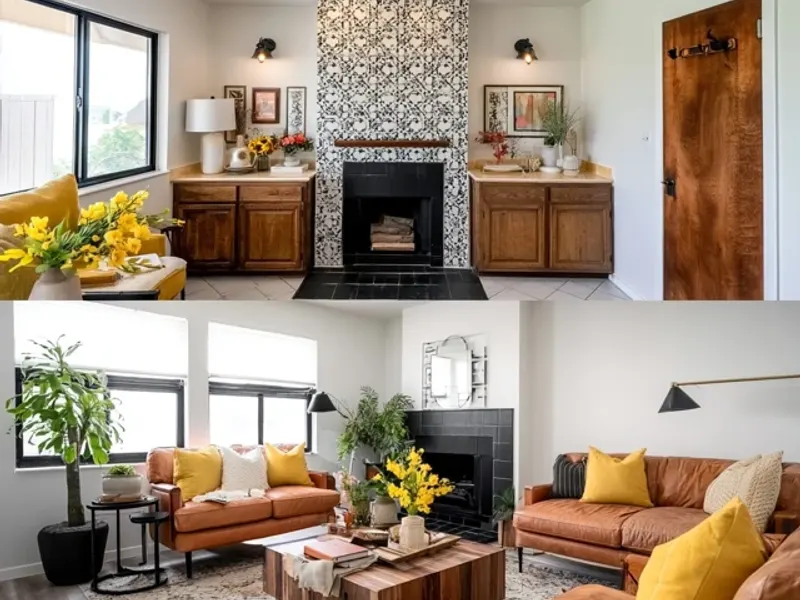
Steal This Apartment Inspiration for Your Tent Setup
The first time I zipped myself into a tent that felt more like a studio apartment than a nylon cocoon, I knew I'd cracked something. The rain drummed a steady rhythm on the fly, but inside, a warm glow from a battery-powered lantern softened the corners. A small rug underfoot kept the chill off my toes. My gear sat in labeled bins, each one a drawer in my temporary home. That night, I realized the best tent setups borrow directly from apartment living—not the cramped, cluttered kind, but the intentional, curated spaces that make you breathe easier.

Why Your Tent Should Feel Like an Apartment
Apartment design is all about maximizing limited square footage with smart storage and multifunctional furniture. A tent is no different. You have maybe 60 to 100 square feet of floor space. Every inch counts. The trick is to treat your tent as a single room that does double duty: sleep, lounge, store, and even eat in. No wasted corners. No tripping over gear at 2 a.m.
The Zone Method
Start by dividing your tent into three zones: sleeping, living, and storage. Lay a thin, waterproof tarp or rug in the living area—think of it as your apartment's "carpet." Place your sleeping pad and bag at the far end, away from the entrance, where drafts are less likely. Keep a small collapsible table (I use one that folds to 18x18 inches and weighs under two pounds) in the middle for meals, games, or a laptop. Store gear bins near the door, but not blocking the exit. This layout keeps movement fluid and reduces clutter.
Steal This Apartment Inspiration: The Storage Wall
In a tiny apartment, you hang things on walls. In a tent, you hang things on the poles. Use a lightweight hanging organizer with clear pockets—the kind meant for shoes—to hold toiletries, headlamps, sunscreen, and snacks. Attach it to the tent pole nearest your sleeping area. For heavier items like a camp stove fuel canister, use a mesh bag clipped to a pole with a carabiner. Keep the floor clear. I've seen campers trip over a water bottle in the dark. A hanging system prevents that.
The Right Gear Sizes
Measure your tent's peak height before buying organizers. A typical 4-person dome tent has a center height of about 60 inches. Hanging organizers should be no taller than 36 inches to avoid sagging against the side walls. For bins, choose ones that are 12x12x12 inches—they stack neatly and fit under a cot or in a corner. Avoid oversized totes that eat floor space. Clear bins let you see contents without rummaging, which is a game-changer when you're half-asleep.
Lighting That Mimics Apartment Ambience
Apartment lighting is layered: overhead, task, and accent. In a tent, skip the single harsh lantern. Use a warm LED string light (battery-powered, with a remote) draped along the ridge line for ambient glow. Place a small, dimmable lantern on your table for task lighting. For reading in bed, clip a tiny book light to your sleeping bag hood. The result is a cozy, inviting space that feels intentional, not like a survival shelter.
Common mistake: Hanging lights too low. Keep them at least 6 inches below the tent ceiling to avoid touching the fabric on hot nights. LED lights generate little heat, but direct contact with nylon can still cause wear over time.
Floor Coverings for Comfort and Cleanliness
A bare tent floor collects dirt, dew, and pine needles. Lay down a footprint or tarp first, then add a soft indoor/outdoor rug. I use a 4x6 foot polypropylene rug that rolls up small and dries quickly. It adds a layer of insulation from the ground and keeps sleeping bags cleaner. For the sleeping area, add a second, smaller rug or a foam mat. This mimics the apartment trick of layering rugs to define spaces.
Adapting for Weather
In rain, the rug will get damp. Shake it out before packing and let it dry in the vestibule. In wind, secure the rug corners with small stakes or heavy gear bins to prevent it from flapping. On hot days, a light-colored rug reflects heat better than dark ones. Always check the forecast and adjust your setup accordingly.
The One Trick That Changes Everything
Here's the specific angle you won't find on ten other sites: use a tension rod. Yes, the same kind you use for a shower curtain. Extend it between two tent poles near the entrance, and hang a lightweight fabric panel or a mesh shower caddy. This creates a visual separation between your "entryway" and the living space—like a foyer in an apartment. It also gives you a spot to hang damp towels or a jacket. The rod should be adjustable from 28 to 48 inches, weighing under a pound. Test the fit at home first to avoid damaging the tent fabric.
Safety Notes for Apartment-Style Tent Living
All that comfort means nothing if you're not safe. Never cook inside the tent—carbon monoxide is odorless and deadly. Keep stoves at least 10 feet away on a fireproof mat. Store food in sealed bins or a bear canister, never inside your sleeping area. In high winds, stake all guylines and lower the tent profile by removing the rainfly if safe. Check local fire bans before using any flame. A cozy tent is a safe tent.
Final Takeaway
Stealing apartment inspiration for your tent isn't about making it look like a showroom. It's about creating a space that works for you—organized, comfortable, and easy to live in, even when the weather turns. Start with one zone, add a tension rod, and hang your gear. You'll wonder why you ever camped any other way.
Frequently Asked Questions
Can I use regular apartment furniture in a tent?
Yes, but only if it's lightweight and collapsible. Think inflatable ottomans, foldable camp chairs with cup holders, and small side tables made of aluminum or mesh. Avoid heavy wooden pieces that add weight and bulk.
How do I keep a tent organized like an apartment?
Use vertical space: hanging shoe organizers for toiletries and tools, mesh pockets for small items, and a lightweight shelf unit for books or lanterns. Clear bins with lids keep gear dry and visible. Label everything.
What's the best way to create zones in a tent?
Divide your tent into sleeping, lounging, and storage areas using rugs, tarps, or even a clothesline with a sheet. Place the sleeping pad near the back, a small table in the middle, and gear bins near the entrance. This mimics an apartment layout.
How do I manage condensation in a tent apartment-style?
Ventilation is key. Open the top vent and side flaps slightly, even in rain. Use a small battery-operated fan to circulate air. Avoid cooking inside the tent—steam from food adds moisture. Place a moisture-absorbing bag (like silica gel) in a mesh pocket.
What's the safest way to use a camp stove near a tent?
Never use a camp stove inside the tent. Set it on a stable surface at least 10 feet away from the tent entrance, on a fireproof mat. Keep a bucket of water nearby. Check local fire regulations before lighting any flame.