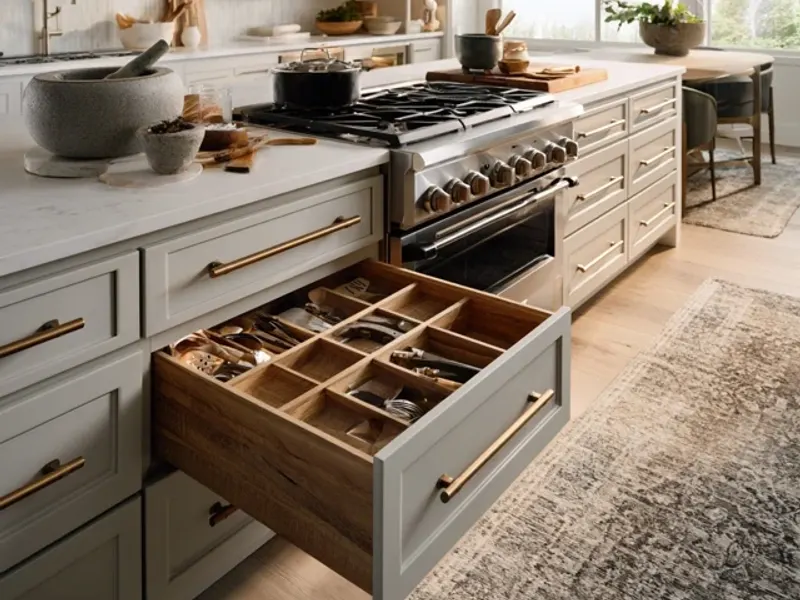
Steal This Deep Drawer Kitchen Organization Before Everyone Else Does
There's a satisfying thunk when a heavy plastic drawer lands on the picnic table. I slide it open, and everything I need for dinner is right there: spatula, tongs, salt, pepper, a small cutting board, and even the bottle opener. No digging through a duffel. No hunting for the one spoon that rolled under the tent.

This is the deep drawer kitchen organization that changed how I camp. You can steal it right now, before everyone else catches on. It's not complicated. It's not expensive. It's simply a better way to keep your camp kitchen tidy, accessible, and ready to cook.
Why a Deep Drawer Beats a Box or Tote
Most campers use a plastic tote or a milk crate. Those work, but they have a problem: you have to lift everything out to reach what's at the bottom. A deep drawer solves that. It slides open, and every item is visible and reachable in one motion. No stacking. No unpacking. Just grab and go.
The key is choosing the right drawer. Look for a sturdy, clear plastic storage drawer with a lid. The clear walls let you see contents at a glance. The lid keeps out rain, dust, and curious critters. A drawer about 5 to 6 inches deep, roughly 15 by 20 inches, holds a full camp kitchen for two people. For a family, go with two drawers: one for cooking tools and spices, another for plates and cups.
Common mistake: picking a drawer that's too deep. A 10-inch drawer looks tempting, but items stack on top of each other and you lose the one-layer visibility that makes this system work. Stick with 5 to 6 inches for the best balance of capacity and access.
How to Organize the Deep Drawer for a Camp Kitchen
Step 1: Choose Your Compartments
Inside the drawer, use small plastic containers or silicone cups to create sections. I use three or four rectangular containers about 2 inches deep. One holds utensils. One holds spices and condiments. One holds a small knife, a peeler, and a lighter. A fourth holds tea bags, coffee filters, and sweetener packets.
The containers should fit snugly so they don't slide around during transport. If they're loose, wedge a folded dish towel between them. That towel doubles as a drying cloth later.
Step 2: Arrange by Use Frequency
Place the most-used items at the front: spatula, tongs, serving spoon, salt and pepper. Items you use less often go toward the back: a can opener, a whisk, a bottle opener. This way you rarely have to reach past the back row.
For spices, use small jars with shaker tops. Write the name on the lid with a permanent marker. Arrange them in a row so you can read the labels without lifting each one. A shallow spice rack insert from a dollar store fits perfectly inside the drawer.
Step 3: Secure Everything for Travel
Before closing the lid, lay a thin dish towel or a piece of non-slip shelf liner across the top of the containers. This prevents items from bouncing out when you drive over bumpy roads. Close the lid and latch it. The drawer now becomes a sealed, portable kitchen unit.
Safety note: never store a camp stove fuel canister or a lighter inside the same drawer as utensils. Keep fuel in a separate, ventilated container away from the cooking area.
Adapting the Deep Drawer for Wind, Rain, and Kids
Windy Days
Wind is the enemy of an open drawer. If gusts are strong, set the drawer on the ground behind a windbreak (a cooler or a chair works). Or place the drawer on the picnic table with the open side facing away from the wind. A bungee cord looped around the drawer and the table leg keeps it from sliding off.
Rainy Weather
Keep the lid on the drawer when not actively cooking. If rain starts while you're cooking, slide the drawer under the picnic table or inside the tent vestibule. The lid protects the contents. For heavy rain, set the drawer inside a larger plastic tote with the lid open slightly for access.
Camping with Kids
Kids love to help. Give each child a small container inside the drawer with their own cup, spoon, and napkin. They can grab their own supplies without rummaging through everything. Teach them to close the lid after each use. This keeps the drawer organized even with small hands involved.
The One Trick That Makes This System Work
Here's the angle you won't find on other sites: use a drawer with a lid that can double as a cutting board. Some plastic drawer lids are flat and sturdy enough to chop vegetables on. If yours isn't, place a thin plastic cutting board on top of the closed lid. Now you have a prep surface that covers the drawer and protects it from knife marks.
When you're done cooking, rinse the cutting board and store it on top of the closed drawer. The next meal, you have a clean surface ready to go.
What to Pack in Your Deep Drawer Kitchen
Here's my exact packing list for a two-person camp kitchen drawer:
- 1 spatula
- 1 pair of tongs
- 1 serving spoon
- 1 small chef's knife (in a sheath)
- 1 vegetable peeler
- 1 can opener
- 1 bottle opener
- 1 lighter
- 4 small spice jars (salt, pepper, garlic powder, chili flakes)
- 1 small container of oil (in a leakproof bottle)
- 1 small cutting board (fits on top of the drawer lid)
- 1 dish towel
- 2 sets of reusable utensils for eating
For a family, add a second drawer with plates, bowls, cups, and a small collapsible colander.
Takeaway
A deep drawer kitchen is simple, cheap, and incredibly effective. It keeps your gear organized, accessible, and protected from the elements. Steal this system now, before everyone else figures it out. Your camp dinners will thank you.
Frequently Asked Questions
What is the best type of drawer for a camp kitchen?
A deep, clear plastic drawer with a sturdy lid works best. Look for one around 5-6 inches deep, roughly 15x20 inches, with a handle. The clear plastic lets you see contents at a glance, and the lid keeps out dust and rain.
How do I keep spices from spilling in a camping drawer?
Use a small spice jar organizer or a shallow plastic container with a lid. Place jars upright and fill any gaps with a folded cloth napkin. This prevents rattling and keeps labels readable even after bumpy car rides.
Can this deep drawer system work for a family of four?
Yes, but you may need two drawers: one for cooking tools and spices, another for plates, bowls, and cups. For larger families, choose a deeper tote (8-10 inches) and use smaller containers inside to separate items. Stack the drawers on a sturdy table or use a folding camp kitchen stand.