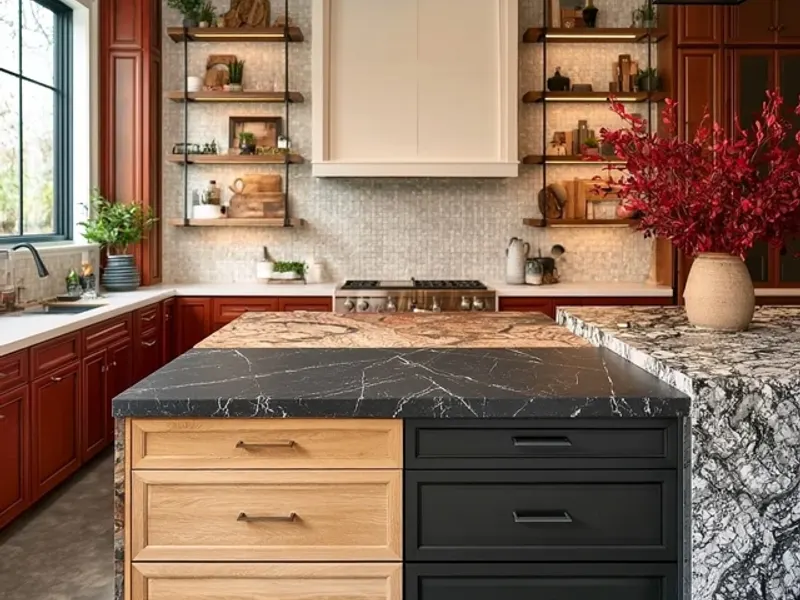
Steal This Kitchen Countertop Color for Your Camp Kitchen
The rain patters on the tent fly, but inside the vestibule, my camp kitchen is a picture of calm. The secret isn't just organization—it's a single, deliberate color choice. I'm talking about light sage green. Not the trendy kitchen tile color, but a specific, matte, barely-there green that does something remarkable for a tent camping setup. It hides the inevitable dust and coffee splatters, it stands out against the forest floor so you never lose a spatula, and it creates a visual boundary that keeps your cooking zone orderly. You can steal this color for your own camp countertop, and I'll show you exactly how.

Why Light Sage Green Works So Well for a Camp Kitchen
Most camp kitchens default to army green, bright blue, or basic gray. Those colors either blend into the background or clash with the natural setting. Light sage green sits in a sweet spot. It's light enough to reflect heat on a sunny afternoon, so your countertop doesn't scorch your eggs. It's muted enough to hide the dirt that a white surface would scream about. And it has a subtle warmth that makes the whole cooking area feel intentional, not just thrown together.
Here's the technique: you want a color with a hint of gray in it—think of dried sage leaves, not fresh mint. That gray undertone does the heavy lifting. It masks scratches from pots and pans, and it doesn't show water spots the way a glossy surface would. I always test a sample in the actual light of a campsite before committing. Hold a paint chip or a piece of vinyl next to your tent fabric and your camp chairs. If it looks too green next to pine needles, it's too bright.
How to Get the Color on Your Camp Countertop
You have two options: buy a ready-made countertop in that shade, or transform what you already own. For the first route, look for a lightweight, rigid plastic or polypropylene board. The ideal thickness is 1/4 inch—any thinner and it warps in the sun or under a heavy Dutch oven. The board should be foldable or cuttable to fit your camp table. I use a board that measures 24 by 18 inches, which covers most standard folding tables without overhang.
For the second route, you can refresh an old countertop with outdoor-grade spray paint designed for plastic. Here's the exact method: clean the surface with rubbing alcohol to remove all grease. Lightly sand it with 220-grit sandpaper—just enough to scuff the shine. Wipe it clean again. Apply thin, even coats of spray paint in a well-ventilated area, holding the can 10 inches away. Let each coat dry for 15 minutes. I do three coats for durability. Then let it cure for 24 hours before you put any gear on it. The finish will be matte and slightly textured, which actually helps keep cutting boards from sliding.
Adapting for Weather and Terrain
If you camp in humid areas, the paint may take longer to cure. Give it an extra day. In windy conditions, paint inside your car with the doors open, or wait for a calm day. For cold weather, warm the paint can in a bowl of hot water for five minutes before spraying—it helps the paint flow. And if you camp near the ocean, choose a paint with UV protection, or the color will fade within a season.
Setting Up the Countertop for Maximum Stability
A countertop is only useful if it stays put. The common mistake is just laying it on the table. One gust of wind or a bumped elbow, and everything slides off. I secure the board with two bungee cords. Hook one end under the table leg on the left, stretch it diagonally across the board, and hook the other end under the opposite table leg. Do the same on the right side but in the opposite diagonal direction. This creates an X that holds the board flat and prevents it from shifting.
For tables with a metal frame, you can add small adhesive Velcro strips to the underside of the board and the tabletop. Just make sure the Velcro is rated for outdoor use and high temperatures. If you have kids, this extra grip is a lifesaver—no more chasing a rolling tomato across the campsite.
Safety Note for Stoves and Heaters
Never place a camp stove directly on the countertop. The heat can warp the plastic or, worse, cause a fire. Always use a heat-resistant trivet or a metal stand between the stove and the surface. And never use a propane heater inside the tent or under the vestibule—carbon monoxide is invisible and deadly. Keep all cooking gear at least three feet away from tent walls.
Organizing Around the Color
Once you have the sage green countertop, use it as a visual anchor. Store your cooking utensils in a matching sage green mesh bag or a small plastic bin. Keep your cutting board, salt shaker, and oil bottle in the same color family. The uniformity helps your brain register the kitchen zone instantly. When you're packing up at the end of the trip, you'll notice immediately if something is missing because it breaks the color pattern.
I also use a light sage green dish tub for washing up. It keeps soapy water contained and, again, stands out against the ground so you don't accidentally kick it over. The whole system works together: color creates order, and order saves time and frustration.
Takeaway
Stealing this kitchen countertop color isn't about following a trend. It's a practical, low-cost technique that makes your camp kitchen easier to manage, more pleasant to use, and less likely to lose gear. Light sage green hides the mess, defines your workspace, and brings a quiet sense of calm to the campsite. Try it on your next trip—you'll wonder why you ever settled for basic gray.
Frequently Asked Questions
Why choose a light sage green color for a camp kitchen countertop?
Light sage green hides dirt and stains better than white, stands out against natural greens so you don't misplace items, and creates a calm, organized feel that helps you keep the cooking area tidy.
What material should I look for in a camp countertop?
Look for a lightweight, rigid plastic or polypropylene board that is at least 1/4-inch thick. It should be foldable or cuttable to fit your camp table, easy to wipe clean, and heat-resistant enough for hot pots.
How do I attach a countertop to my camp table?
Use bungee cords or adjustable straps under the table legs to hold the countertop in place. For a more permanent solution, add small clips or Velcro strips to the underside of the countertop that grip the table edges.
Can I paint or cover an existing countertop to get this color?
Yes, you can use outdoor-grade spray paint designed for plastic, or adhesive vinyl wrap in a light sage green. Make sure the surface is clean and sanded lightly, and let it cure fully before using it.
How does this color help with organization?
A distinct color like light sage green creates a visual boundary for your kitchen zone. You can also use matching colored containers or utensils to keep everything in one place, making it easier to pack up and avoid losing gear.