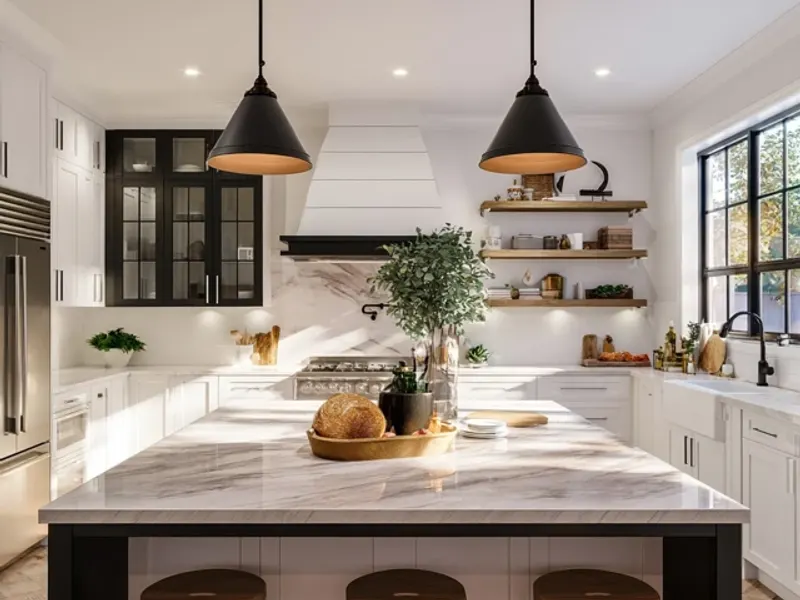
Steal This Kitchen Lighting Design Before Everyone Else Does
The first time I cooked dinner at a campsite in the dark, I burned my hand on a pot handle I couldn't see. The second time, I used a headlamp strapped to my forehead, which meant every time I looked up, I blinded my family. That's when I started experimenting with kitchen lighting design — not just any light, but a deliberate, layered setup that makes cooking feel safe, easy, and even a little luxurious.

Here's the design I've landed on after many rainy, windy, and pitch-black evenings. It's simple, affordable, and works for a family of four or a solo trip. Steal it before everyone else does.
The Three-Layer Approach
Good campsite kitchen lighting has three layers: ambient, task, and accent. Ambient light fills the space so you don't trip over a cooler strap. Task light focuses exactly where you're chopping or stirring. Accent light adds warmth and helps you find your mug without fumbling.
I use a single battery-powered lantern for ambient light, hung from a loop on the tent awning or a nearby tree branch. A headlamp with a red-light mode handles task work. For accent, I string a 10-foot set of warm white LED fairy lights along the table edge. The total setup weighs under a pound and takes two minutes to hang.
Choosing the Right Lantern
I look for a lantern with a dimmer switch and a warm color temperature (around 2700K). Cool blue light feels harsh and attracts more bugs. The lantern should have a carabiner or a loop for hanging. I hang it at eye level, about five feet off the ground, centered over the table. If the wind picks up, I secure it with a small bungee cord to prevent swinging.
Common mistake: placing the lantern on the table itself. That creates harsh shadows on your cutting board and a glare in your eyes. Hang it instead.
Task Light Without the Glare
I wear a headlamp with a red-light setting. The red light preserves night vision and doesn't attract moths. I angle the beam down toward the cutting board, not straight ahead. For cooking, I clip a small magnetic LED puck light to the side of the camp stove — it sticks to the metal and shines directly on the burner. This avoids the headlamp glare for anyone sitting across from me.
Safety note: never use a propane or gas lantern inside a tent or enclosed awning. Carbon monoxide builds up fast. Stick with battery-powered LEDs for any enclosed space.
How to Hang Lights in Wind and Rain
Wind is the enemy of string lights. I use small binder clips to attach the fairy light wire to the table edge or tent pole. For the lantern, I tie a taut-line hitch on the hanging cord so I can adjust the height without retying. If rain is forecast, I position the lights under a tarp or awning — never drape them where water can pool along the wire.
I also carry a small roll of electrical tape. If a connection feels loose, a wrap of tape keeps it dry and secure. This has saved my lighting more than once during a sudden downpour.
Adapting for Kids and Groups
Camping with kids means extra light where they eat and play. I add a second lantern on a low table near the seating area, so they can see their plates without staring into the bright cooking light. I also use glow sticks inside a clear plastic cup as a nightlight — cheap, safe, and they can carry them to the bathroom tent.
For a larger group, I double the string lights and run them along two sides of the table. I use a separate battery pack for each string so I can control the brightness independently.
The One Trick That Changes Everything
Here's the specific tip you won't find on ten other sites: use a white or light-colored tablecloth under your kitchen setup. The light from the lantern and string lights reflects off the cloth, bouncing soft illumination upward into your workspace. It eliminates dark corners around the cutting board and stove. I use a simple cotton canvas drop cloth cut to size — it's washable, reflects light beautifully, and doubles as a picnic blanket.
Without that reflective surface, all the light in the world still leaves your work area in shadow. Try it once, and you'll never go back.
Power and Battery Management
I run everything on rechargeable lithium-ion batteries. A single 18650 battery powers my lantern for two nights. The fairy lights run on three AAAs for about six hours. I charge everything during the day from a small solar panel or a power bank. I keep a spare set of batteries in a dry bag inside the food cooler — not touching the ice, just in the dry compartment.
Common mistake: waiting until dusk to set up lights. Do it while there's still daylight. You'll see where to hang, avoid tangles, and test everything before you need it.
Takeaway
Great campsite kitchen lighting isn't about expensive gear. It's about layering three simple sources — ambient, task, accent — and using a reflective surface to spread that light where you need it. Hang your lantern, clip your task light, string your fairy lights, and put a white cloth on the table. You'll cook with confidence, eat without squinting, and pack up without tripping. Steal this design. It works.
Frequently Asked Questions
What is the best way to light a tent camping kitchen?
Layer your light sources. Use a hanging lantern for overhead ambient light, a headlamp for hands-free task lighting, and a string of battery-powered LEDs for a soft glow along the table edge. This avoids shadows and keeps the cooking area safe.
How do I keep camp kitchen lights from attracting bugs?
Use warm-toned LED lights (2700K-3000K) rather than cool white or UV-emitting bulbs. Position lights away from the cooking surface and eating area, and consider a small battery-powered fan to create airflow that deters insects.
Can I use regular string lights in a tent?
Only use battery-powered LED string lights designed for indoor/outdoor use. Never use plug-in string lights with a generator or extension cord inside a tent, as this creates a fire and trip hazard. Stick with low-voltage, enclosed LED bulbs.