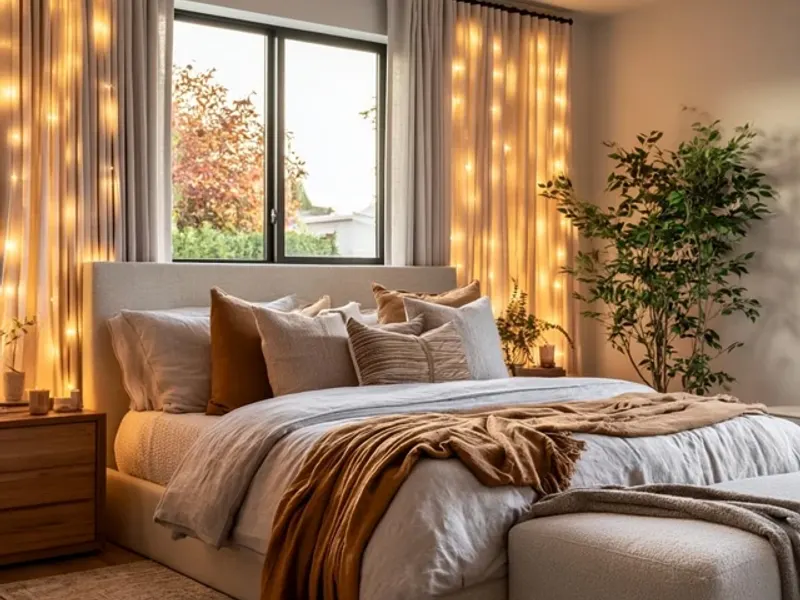
The Only Master Bedroom Decor Guide You'll Ever Need
The first time I zipped myself into a tent and saw nothing but bare nylon walls, I knew something was missing. Not just comfort — but a sense of home. A master bedroom isn't just a bed. It's a sanctuary. And your tent can be one too.

Forget the cold floor and the jumble of gear. With a few intentional choices, your tent becomes a space you look forward to crawling into after a long day of hiking or exploring. Here's how to build a master bedroom decor that works in the wild — no square footage required.
Start With the Foundation: Your Sleep Setup
The bed is the centerpiece. A good night's sleep starts with a level, insulated surface. I always use a sleeping pad with an R-value of at least 4.5 for three-season camping — it keeps the cold ground from stealing your warmth. For couples, two pads side by side work better than one large pad, because they mold to individual movement.
Now, the sheets. Yes, sheets. A fitted sheet sized for your pad or cot keeps everything tidy. Top it with a lightweight down or synthetic comforter. No sleeping bag needed. Layer a wool blanket on top for extra warmth and texture. Two pillows — one for sleeping, one for sitting up and reading — complete the bed.
The Common Mistake to Avoid
Don't use a regular air mattress without insulation underneath. It turns into an ice slab below 50°F. A foam pad between the mattress and the tent floor makes a huge difference.
Lighting: Set the Mood
Harsh overhead light kills a cozy vibe. I string warm white LED fairy lights along the tent ridgepole — they cast a soft glow that feels like a bedroom lamp. A dimmable lantern on low near the bed is perfect for reading. For a nightlight effect, place a small glow stick in a water bottle; it diffuses light gently.
Safety note: Keep all lights away from tent fabric. Battery-powered only — never use candles or fuel-based lanterns inside a tent. Carbon monoxide is real, and fabric burns fast.
Flooring: The Game Changer
A tent floor is just a tarp. A rug changes everything. I use a washable, thin indoor-outdoor rug — about 5x7 feet for a 6-person tent. It defines the bedroom zone, keeps dirt from spreading, and adds warmth underfoot. Plus, it muffles the sound of zippers and footsteps.
Adapting for Wet Weather
If rain is in the forecast, place a small tarp under the rug to wick moisture. Shake the rug out daily to keep debris from grinding into the tent floor.
Storage: Keep It Tidy
Clutter kills the master bedroom feel. I use clear, stackable bins for clothes — one for tops, one for bottoms, one for socks and underwear. A hanging organizer with pockets fits against the tent wall for toiletries, phone, and glasses. A small collapsible bin by the door holds shoes. A mesh laundry bag hooks to a tent loop.
The trick is to keep everything off the floor. When gear is scattered, the tent feels cramped. When it's organized, the space breathes.
Personal Touches Without the Weight
A few small items make the space yours. A favorite bandana draped over the lantern. A tiny vase with a wildflower found on the trail. A book on the bedside bin. These don't add bulk, but they add soul.
One specific angle you won't find elsewhere: Use a lightweight, foldable fabric cube as a bedside table. It holds your water bottle, headlamp, and book — and doubles as a seat when you need to put on boots. Most campers use a hard cooler or nothing at all. The cube is softer, quieter, and more versatile.
Managing Temperature for Comfort
In summer, leave the rainfly off if no rain is expected — the mesh roof lets in cool air and starlight. In cold weather, layer a second blanket on the bed and place a hot water bottle (in a sock) at the foot of the sleeping bag. Never use a camp stove or heater inside the tent for warmth. Ventilation is key in all seasons to prevent condensation.
Takeaway
A master bedroom decor in a tent isn't about luxury — it's about intentionality. Every item earns its place. The result is a space that feels calm, organized, and restful. When you unzip that tent door at night, you're not just entering a shelter. You're coming home.
Frequently Asked Questions
How do I make my tent feel like a master bedroom?
Start with a level sleeping surface—use a thick sleeping pad or cot. Add fitted sheets, a comforter, and pillows. Use soft, warm lighting (battery-powered string lights or dimmable lanterns). Create a designated area for clothes and gear with collapsible bins or hanging organizers. Add a rug for warmth and texture.
What type of lighting works best for a cozy tent bedroom?
Battery-operated string lights with warm white LEDs are ideal—they mimic soft bedroom lighting. Place them along the tent ridge or around the ceiling. A dimmable lantern on low setting near the bed works well for reading. Avoid bright white lights; they feel harsh. Always secure lights away from fabric to prevent fire risk.
How can I keep my tent bedroom organized while camping?
Use clear, stackable bins for clothing and toiletries—label them by category. A hanging organizer with pockets fits neatly against the tent wall for small items. Keep a small mesh bag for dirty laundry. Store shoes in a separate bin near the door. A collapsible bedside table holds your water bottle, book, and headlamp.