
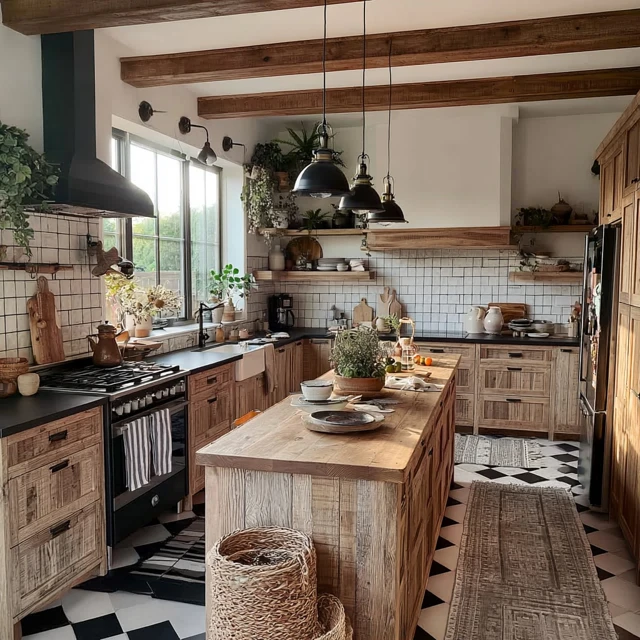
The smell of bacon grease hitting a hot pan. The hiss of the camp stove as the flame catches. A wooden spoon resting against a chipped enamel mug. That’s the sound of a kitchen that works—not just in a cabin, but under a tarp or on a picnic table in the middle of nowhere.

I’ve tried every variation: the sprawling kitchen with a folding table and hanging organizer, the minimalist setup with just a pot and a spork, and everything in between. The one that never fails? It’s a formula, not a pile of gear. Three zones. Two rules. One rhythm. Here’s how it works.
The Three-Zone Layout
Every camp kitchen needs three distinct areas: prep, cooking, and storage. They don’t need to be large—just separate enough that you aren’t reaching over a hot stove to grab a cutting board. I arrange them left to right, following the natural flow of cooking.
Prep Zone (Left)
This is where the knife and cutting board live. A folding table or a clean section of the picnic table works. I use a small plastic bin (about 12x8x6 inches) to hold a cutting board, a chef’s knife, a paring knife, a peeler, and a small bowl for scraps. That bin slides under the table when not in use. The key? Keep it dry. A wet cutting board is a bacteria farm. I wipe it down after every use and let it air dry on a rock in the sun.
Cooking Zone (Center)
Your stove goes here. I use a two-burner propane stove on a level surface. If the picnic table wobbles, I shim the legs with flat rocks or a folded piece of cardboard. Never place the stove directly on the ground—dirt blocks airflow and can cause uneven heating. I set a small windscreen (just a folded piece of aluminum foil) on the windward side. It cuts fuel use by about 20 percent on breezy days. And always keep a spray bottle of water within arm’s reach for flare-ups.
Storage Zone (Right)
This is for everything that isn’t being cooked or prepped: dry goods, spices, oils, and clean dishes. I use a single 18-gallon clear tote with a lid. Inside, I organize with nested containers—no loose bags. Spices go in a small zippered pouch. Oils and vinegar in leak-proof bottles with flip tops. Everything lives in that tote until needed. At night, the tote goes into the car or a bear locker. Never leave it on the table overnight.
The Two Rules
Rule one: Clean as you cook. Wash the knife while the onions sauté. Wipe the table while the water boils. If you let dishes pile up, you’ll eat cold food and wake up to ants. I bring a collapsible basin and two dish towels. One for drying hands, one for drying dishes. They hang on a line strung between two trees—never on a bush where they can pick up sap or bugs.
Rule two: One fire, one stove. I know it’s tempting to light a campfire for cooking and use the stove for sides. But managing two heat sources splits your attention. Pick one primary cooking method. I use the stove for most meals and save the fire for evening marshmallows. If you must cook over the fire, use a grate or a tripod—never put a pan directly on coals unless you like scrubbing ash out of your eggs.
The One Rhythm
Every meal follows the same cadence: unpack, prep, cook, eat, clean, pack. That sounds simple, but the magic is in the packing. I pack my food tote in reverse order. Breakfast ingredients go on top, dinner on the bottom. That way I don’t dig through everything to find the oatmeal. I also pack a separate “first meal” bag for the first night: pre-cooked pasta, jarred sauce, a bag of salad, and a small bottle of dressing. No chopping, no cooking beyond reheating. It buys you time to set up camp without rushing.
Adapting for Weather and Kids
Rain changes everything. I carry a 10×10-foot tarp and two telescoping poles. I set it high enough to stand under but low enough to block sideways rain. The kitchen goes under the tarp, with the prep zone on the driest side. If the ground is wet, I lay a small piece of Tyvek or a plastic drop cloth under the table to keep gear off the mud.
Cooking with kids? Double the prep zone. Kids need space to help without crowding the stove. I give them a small cutting board and a butter knife to slice soft veggies. They also get their own water bottle and cup—marked with a sticker—so they don’t grab mine. And I always have a backup snack ready. Hangry kids derail a meal faster than a broken stove.
The One Trick You Won’t Find Elsewhere
Here’s the specific angle: pre-warm your cooking zone. On cold mornings, your stove struggles to maintain temperature because the propane tank is cold. I set the tank in a shallow dish of warm (not hot) water for five minutes before lighting the stove. That extra warmth helps the propane vaporize more efficiently. It’s a tiny step, but it shaves off minutes when you’re shivering and craving coffee. Just keep the tank upright and dry—never submerge the valve.
Safety Notes
Never operate a stove inside a tent or vestibule. Carbon monoxide builds up fast, even with the door open. Cook at least 10 feet away from your tent entrance. Store fuel canisters upright in a shaded spot, away from direct sun. And always fully extinguish your stove before refueling or changing canisters.
For wildlife safety, keep all food, trash, and scented items (toothpaste, sunscreen) sealed and stored in a hard-sided vehicle or bear-proof container at night. Never leave food unattended on the table. A curious raccoon can unzip a cooler faster than you can say “dinner.”
Takeaway: The rustic kitchen formula isn’t about fancy gear. It’s about a repeatable system that works in rain, wind, or sun. Three zones, two rules, one rhythm. Set it up the same way every time, and your meals will taste better and your evenings will be longer. That’s the formula that never fails.
Frequently Asked Questions
What is the most important item for a rustic camp kitchen?
A stable cooking surface. Whether it’s a picnic table or a folding table, level and sturdy is key. I always bring a small spirit level to check—otherwise your coffee can slide right off.
How do I keep food safe from animals in a rustic kitchen?
Store all food and scented items in bear-proof containers or hang them in a bag 100 feet from camp and 10 feet off the ground. Never keep food inside your tent, even for a short nap.
What’s the one trick to prevent greasy stove messes?
Line the stove area with a silicone baking mat. It catches spills, wipes clean in seconds, and protects the table surface. I cut mine to fit exactly under my two-burner stove.