
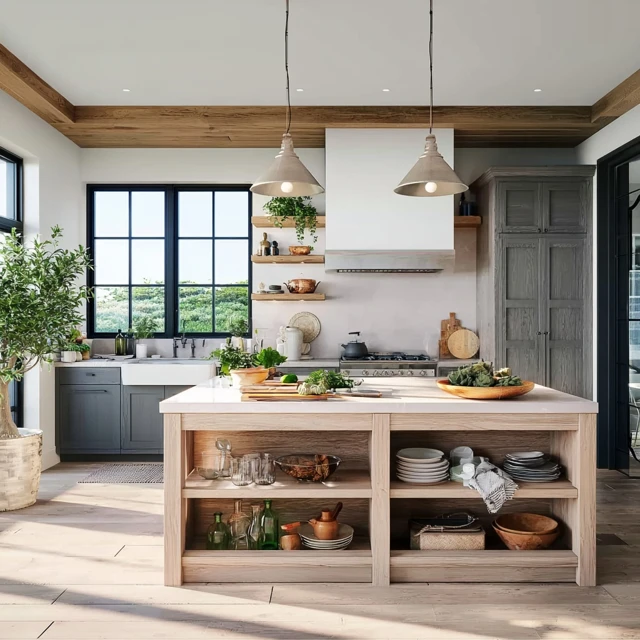
The first time I set up a camp kitchen that actually worked, it felt like a small miracle. No more digging through a jumbled cooler for the mustard. No more balancing a pot on a rock. That morning, I made coffee without swearing, and the kids ate breakfast without complaining. That kitchen system—modern, compact, and deliberate—changed everything. Here is exactly how to build one for yourself.

Start with the Right Surface
Your kitchen needs a stable, flat surface at a comfortable working height. A folding table works best. Look for one that is at least 24 inches wide and 48 inches long—enough space for a two-burner stove, a cutting board, and a small prep area. Avoid tables with mesh tops; they let small items fall through. A solid top also keeps spills contained.
If you are camping where picnic tables are available, bring a tablecloth or a thin cutting mat to protect the surface. For ground-only sites, a low camp kitchen table or even a sturdy plastic tote turned on its side can work. The key is stability. If the table wobbles, hot pans can slide. I always test the setup by pressing down on each corner before lighting the stove.
Organize Food in Clear Stackable Bins
Forget rummaging through a single duffel bag of groceries. Instead, use clear, stackable plastic bins. I use three: one for breakfast items, one for lunch and snacks, and one for dinner ingredients. Each bin holds dry goods like oatmeal packets, pasta, crackers, and spices. Label the bins with a permanent marker or adhesive labels. This system saves time and keeps food protected from rain and critters.
Choose bins that are 5 to 10 quarts in size. Larger bins are heavy to lift and harder to stack. Smaller bins fit neatly under a table or in a tent vestibule. Always keep the bins sealed when not in use. If you expect wind, secure the stack with a bungee cord looped around the handles.
Build a Smart Cooler Station
A cooler is the heart of a camp kitchen, but it often becomes a mess of melting ice and lost items. Here is the fix: use a separate cooler for drinks and another for perishable food. The drink cooler gets opened constantly. The food cooler stays closed, keeping contents cold longer.
Inside the food cooler, pack items in order of use. Put breakfast items on top, lunch next, and dinner ingredients at the bottom. Use reusable ice packs instead of loose ice to avoid waterlogging. Keep a small thermometer inside—aim for 40°F or below. On hot days, store the cooler in the shade and cover it with a reflective blanket.
Create a Prep and Cooking Zone
Designate one area for chopping and mixing, and another for cooking. A large cutting board (at least 12 by 16 inches) bridges the gap. Place it next to your stove. A small silicone mat holds utensils and spices. Keep a trash bag clipped to the table leg—this keeps the workspace clear and reduces the chance of attracting animals.
For cooking, use a two-burner propane stove. Set it on a heat-resistant mat to protect the table. Always cook at least 10 feet from your tent to prevent carbon monoxide buildup and reduce fire risk. In strong wind, position a windbreak—a folding screen, a large cutting board, or even a cooler placed on the windward side. Never leave a lit stove unattended.
Set Up a Cleaning Station
Cleaning up after meals is the least glamorous part of camping, but a dedicated station makes it bearable. Bring a small plastic tub for washing, another for rinsing, and a third for sanitizing (a few drops of unscented bleach per gallon of water). Use biodegradable soap to minimize environmental impact.
Scrape food scraps into a trash bag before washing. Strain used water through a fine mesh sieve or coffee filter to catch food particles, then dispose of the water at least 200 feet from any water source. Pack out all food waste. Hang dish towels to dry on a clothesline or over a bush to prevent mildew.
Store Everything Safely Overnight
At the end of each day, pack all food, trash, and scented items into a bear-proof canister or store them in a locked vehicle. Never leave food inside your tent—not even a granola bar wrapper. Animals have an incredible sense of smell. Follow local regulations for food storage, especially in bear country.
Secure your kitchen table and bins with bungee cords or straps if wind is expected. A gust can scatter a whole setup in seconds. I learned this the hard way when a sudden breeze sent my spice bag tumbling into the fire pit. Now I always tie down anything that can fly.
Adapt for Rain and Cold
Rain turns a camp kitchen into a soggy mess. Set up a tarp over your cooking area. Use a 10-by-10-foot tarp with poles or tie it between trees. Angle it so water runs off away from your stove and table. In cold weather, keep fuel canisters warm—store them inside your sleeping bag overnight. Cold propane loses pressure and cooks slowly.
Takeaway
A modern camp kitchen is not about fancy gear. It is about a system that works in real conditions. Clear bins, a stable table, separate coolers, and a dedicated cleaning station. Adjust the setup for your site, your weather, and your crew. Once you have it dialed in, you will wonder how you ever camped without it.
Frequently Asked Questions
How do I set up a modern camp kitchen without a picnic table?
Use a sturdy folding table or a camp kitchen shelf unit. Place your stove on a heat-resistant mat, and keep food in stackable bins on the ground or a low table. Secure everything with bungee cords if wind is expected.
What are the best containers for camping food storage?
Clear, stackable plastic bins with tight lids work best. Use 5- to 10-quart sizes for dry goods. Label each bin by meal type (breakfast, lunch, dinner, snacks) to grab what you need without digging.
How do I keep food safe from animals at camp?
Store all food, trash, and scented items in a bear-proof canister or a sealed cooler locked in your vehicle when not in use. Never keep food inside your tent. Follow local regulations for wildlife-safe storage.
Can I use a modern kitchen setup with a two-burner stove in windy conditions?
Yes, but set up a windbreak using a folding screen, a large cutting board, or a cooler placed on the windward side. Cook in a sheltered spot, and always use the stove on a stable, level surface away from tent walls.
How do I clean dishes without running water at camp?
Use a three-basin system: one for soapy water, one for rinse water, and one for sanitizing (a few drops of bleach per gallon). Scrape food into a trash bag first. Strain wastewater and dispose of it at least 200 feet from water sources.