
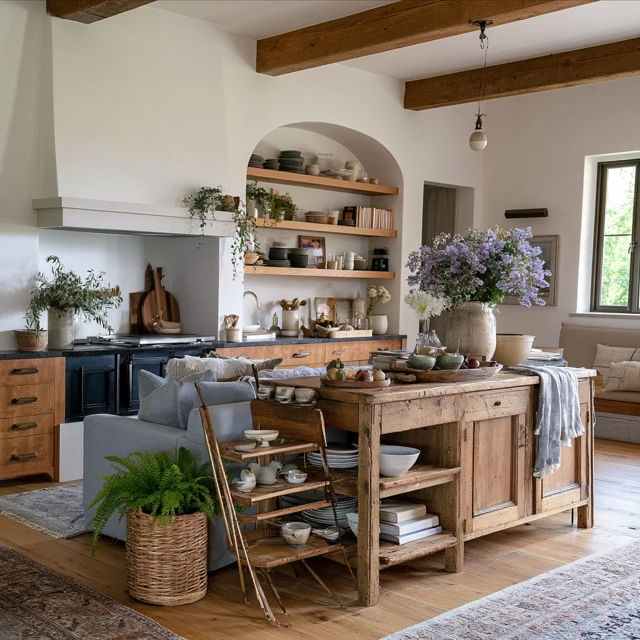
Rain patters on the fly, soft and rhythmic. Inside, the tent glows warm—not from a fire, but from the careful layering of texture, light, and space. You want a tent that feels less like a campout and more like a page from a shelter magazine. It’s possible. The trick isn’t about buying expensive gear; it’s about how you arrange what you already have.

Start with a Clean Canvas
A magazine spread always begins with a neutral base. Your tent floor is that canvas. Before adding any decor, lay down a ground tarp that extends just beyond the tent footprint—fold the excess under to keep rain from pooling underneath. Inside, use a fitted sheet over the tent floor (a twin sheet works for most three-person tents). Tuck the corners under the sleeping pads. This single step eliminates wrinkles and creates a clean, unified surface. It also protects the tent floor from dirt and abrasion.
Common Mistake to Avoid
Don’t skip the ground tarp or use a tarp that’s larger than the tent. Rain will collect between the tarp and the floor, seeping in. Keep the tarp exactly at the tent’s edges or slightly smaller.
Layer Rugs for Depth
One rug feels flat. Two rugs—a larger neutral jute or cotton mat with a smaller patterned rug on top—create visual interest and define zones. I use a 4×6 foot cotton dhurrie as the base (folds small, packs light) and top it with a 2×3 foot wool kilim-style mat near the entrance. The smaller rug catches dirt and feels soft underfoot. For wind-prone sites, weigh down the corners with small stones or gear bags. In hot weather, choose natural fibers like cotton or jute; they breathe and feel cooler than synthetics.
Create a Focal Point with a Canopy
The tent’s ridge line is your ceiling beam. Drape a lightweight, sheer fabric—a king-size flat sheet or a piece of cheesecloth—over the ridge and let it cascade down both sides. Pin the fabric to the tent poles with small binder clips. This softens the harsh tent geometry and adds a dreamy, airy quality. For cold nights, use a fleece blanket instead; it traps a layer of warm air and adds coziness. In rain, ensure the fabric doesn’t touch the tent walls—moisture can wick through and drip onto your bedding.
Lighting in Layers
A single overhead lantern creates harsh shadows. Magazine spreads use three layers of light. First, ambient: a string of fairy lights along the ridge line, draped in a gentle curve. Use battery-operated ones with a remote control so you can turn them off without leaving your sleeping bag. Second, task: a small rechargeable lantern on a low table or stool, set at eye level when seated. Third, accent: a single LED candle (never a real flame inside a tent—carbon monoxide risk and fire hazard) placed on a stack of books or a tray. The combination creates depth and warmth.
Weather Adaptation
In high winds, skip the fairy lights—they can tangle and pull at the tent fabric. Use only a secure lantern placed on the ground. In humid conditions, wipe down the tent walls before adding any fabric decor to prevent mildew.
Define Zones with Furniture
A magazine spread has clear areas: sleeping, lounging, storage. In a tent, use low-profile furniture to create separation. A foldable camping table (the 24-inch square size works perfectly) serves as a nightstand and a dining surface. Place it between two sleeping pads or at the foot. A small stool or a stack of hardcover books becomes a side table. Keep the center of the tent open—this visual breathing room makes the space feel larger and more intentional.
Accessories That Tell a Story
Limit visible items to five or fewer. A small vase with dried lavender or eucalyptus (real or faux) adds height and a natural element. A stack of two or three books with neutral covers (or wrap them in brown paper) on the table. A single ceramic mug or a wooden bowl. Each item should have a purpose or a visual weight. Avoid plastic packaging, bright logos, or mismatched colors. Group items in odd numbers—three, not two or four—for a balanced, organic look.
Storage That Hides
Use a large zip pouch or a small fabric basket for phone chargers, glasses, and small toiletries. Store it under the table or at the head of your sleeping pad. Keep all food in a sealed, bear-proof container stored outside the tent—this is non-negotiable for safety and keeps crumbs and smells from attracting wildlife.
Final Touch: A Cozy Bed
The bed is the anchor. Start with a self-inflating pad or foam pad, then top with a thick wool blanket or a down comforter (use a compression sack to pack it small). Fold a flat sheet over the top for a crisp, hotel-like feel. Add two pillows: one for sleeping, one for lounging. A quilt folded at the foot adds weight and texture. Tuck the edges under the pad to keep everything in place during the night.
Takeaway
A magazine-worthy tent isn’t about perfection. It’s about intention. Choose a few elements—a canopy, layered rugs, warm light—and arrange them with care. Keep surfaces clear, colors neutral, and safety first. The result is a space that feels like a dream house, tucked inside a tent. Rain or shine, it will be a place you want to linger.
Frequently Asked Questions
How can I make my tent feel like a dream house on a budget?
Focus on thrifted textiles: layer a flat sheet as a canopy, use a picnic blanket as a rug, and hang battery-operated fairy lights along the ridge line. Add a few real or faux plants in small pots for life. The key is intentional placement—cluster items in odd numbers and keep surfaces mostly clear.
What are the best lighting options for a magazine-worthy tent?
Use a mix of warm light sources: a battery-operated lantern on a low table for a focal glow, a string of fairy lights along the tent seam for ambient twinkle, and a single candle in a safe holder for a flickering accent. Avoid harsh white light; look for 2700K bulbs.
How do I keep my tent decor organized without looking cluttered?
Use clear, lidded bins for gear and store them under a low table or at the foot of your sleeping area. Keep only three to five decorative items visible—a vase with dried flowers, a stack of books, a lantern. Everything else should be tucked away in zip pouches or small baskets.